How to enable vpn in edge browser 2026
'%2F%3E%3Ctext%20x%3D'50%25'%20y%3D'50%25'%20dy%3D'.35em'%20text-anchor%3D'middle'%20font-family%3D'-apple-system%2CBlinkMacSystemFont%2CSegoe%20UI%2Csystem-ui%2Csans-serif'%20font-size%3D'100'%20font-weight%3D'600'%20fill%3D'%23fff'%3EZP%3C%2Ftext%3E%3C%2Fsvg%3E) Zofia Pawlak·April 12, 2026·20 min
Zofia Pawlak·April 12, 2026·20 min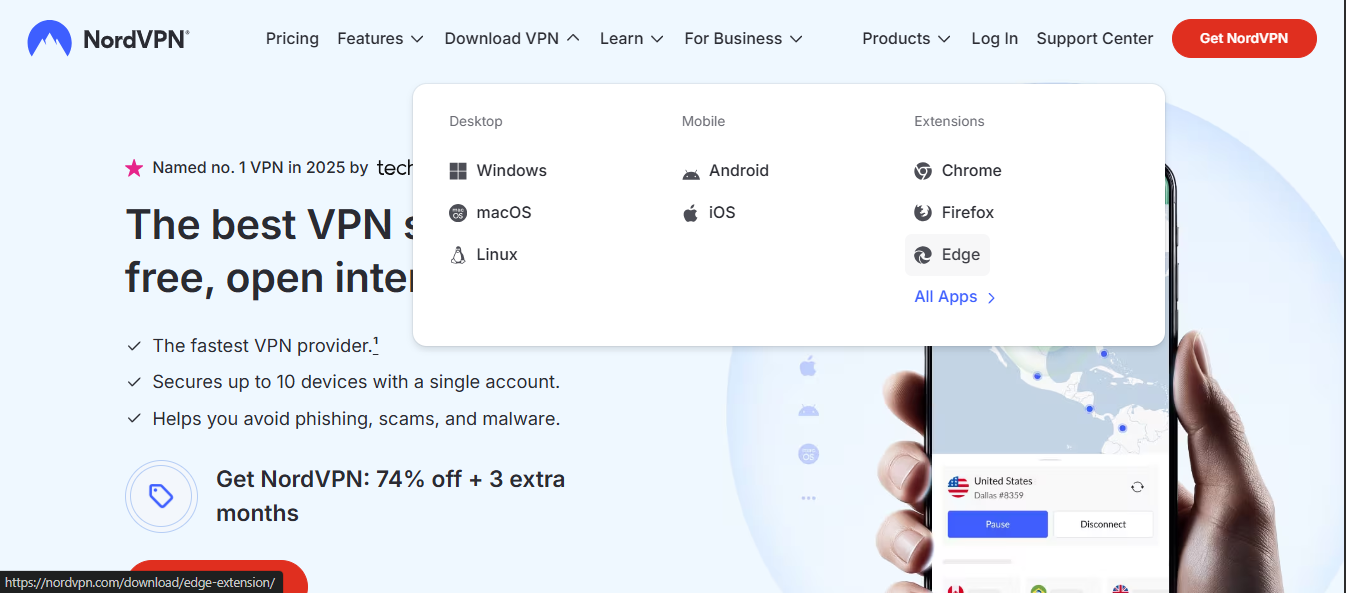
How to enable vpn in edge browser — a quick, practical answer: turn on a built-in VPN-like feature in Microsoft Edge by configuring a VPN extension or using Edge’s Settings to connect to a VPN profile via Windows, then choose a trusted provider. This guide walks you through: setup options, step-by-step instructions, troubleshooting, security tips, and real-world use cases. Whether you’re protecting your data on public Wi‑Fi, bypassing geo-restrictions, or just testing how content appears from different regions, here’s everything you need in one clear, friendly read.
Quick facts about VPNs in Edge
- Edge doesn’t include a built-in full VPN, but you can enable VPN-like protection via extensions or Windows VPN settings.
- Extensions from reputable providers add encryption and IP masking directly in the browser.
- Windows’ system-wide VPN can be used by Edge, but it affects all apps, not just Edge.
- Using a VPN can impact browsing speed; choosing a server close to your location helps.
- Always verify a VPN’s logging policy and security practices before installing.
What you’ll need
- A trusted VPN service free trials exist, but paid plans usually offer better security and speed
- Microsoft Edge installed on Windows 10/11 or Mac with Edge
- Optional: Your VPN account credentials or configuration file depending on provider
- A quick internet connection for testing
Section 1: Understanding your options There are two straightforward paths to enable VPN access via Edge: Free vpn extension microsoft edge 2026
- Use a VPN extension in Edge: Easy to install, targets only browser traffic, and often designed for casual users.
- Use Windows native VPN configuration: Creates a system-wide VPN, which Edge follows. Better for devices where you want all traffic encrypted, not just browser traffic.
Option A — VPN extensions in Edge browser-level protection
- Pros: Simple to install, browser-focused, quick switch on/off.
- Cons: Some extensions may slow you down; not all offer the same level of encryption as a full VPN.
- Best for: Browsing on public Wi‑Fi, streaming from a different region, light privacy needs.
Option B — Windows VPN system-wide
- Pros: Stronger security, encrypts all traffic, works with any app.
- Cons: More setup steps, may reduce device performance, affects all network activity.
- Best for: Protecting entire device, corporate use, situations where you need VPN for all apps.
Section 2: How to enable a VPN using an Edge extension Step-by-step guide
- Pick a reputable VPN provider with a browser extension check reviews and privacy policy.
- Open Edge and go to the Extensions page:
- Click the three-dot menu in the top-right corner.
- Choose Extensions, then Open Microsoft Edge add-ons store.
- Search for your VPN provider’s extension and click Get to install.
- After installation, click the extension icon in the Edge toolbar.
- Sign in or activate the extension with your VPN account.
- Choose a server/location and toggle the VPN on.
- Test the connection:
- Visit a site like whatismyipaddress.com to confirm your IP shows the VPN’s location.
Tips:
- Enable a kill switch if your provider offers it to prevent leaks if the extension disconnects.
- Use split tunneling if available to route only browser traffic through VPN while leaving other apps direct.
- Visit a site like whatismyipaddress.com to confirm your IP shows the VPN’s location.
Tips:
Common issues and fixes
- Extension won’t turn on: Check Edge permissions for the extension, re-login, or reinstall the extension.
- Slow speeds: Switch to a nearby server, close background apps, or choose a different protocol if offered UDP/TCP.
- DNS leaks: Enable DNS leak protection in the extension or use a trusted DNS setting in Windows.
Section 3: How to enable a VPN using Windows VPN system-wide Option: Built-in Windows VPN setup Windows 10/11 Free vpn extension for edge browser: how to choose, install, and safely use free Edge VPN extensions in 2026
- Gather your VPN configuration details from your provider server address, VPN type, sign-in info, and possibly a configuration file.
- Open Settings:
- Windows 10: Start > Settings > Network & Internet > VPN > Add a VPN connection.
- Windows 11: Start > Settings > Network & Internet > VPN > Add VPN.
- Fill in the VPN provider as Windows built-in, connection name anything you like, server name or address, VPN type IKEv2, L2TP/IPsec with pre-shared key, etc., and type of sign-in info username/password, certificate, or one-time code.
- Save and then connect:
- Go to the VPN settings and click the new connection, then Connect.
- Verify the connection:
- Check your IP address against whatismyipaddress.com to ensure it reflects the VPN’s location.
Alternative: Import a VPN profile
- Some providers offer a .pbk/.ovpn or similar profile. Import it via:
- Settings > Network & Internet > VPN > Add VPN connection > Use a VPN service name, then import configuration when prompted.
- If you’re using OpenVPN or WireGuard, you may need dedicated desktop apps, but many services also offer Windows-native profiles.
Section 4: Security and privacy best practices
- Choose reputable VPNs with transparent privacy policies and no-logs claims you can verify.
- Prefer VPNs with strong encryption AES-256, robust authentication, and a security-focused stance.
- Enable the kill switch to prevent IP exposure if the VPN drops.
- Disable WebRTC leaks in Edge if you’re using a browser-level extension; this can prevent your real IP from leaking during WebRTC requests.
- Regularly update Edge and any VPN extensions or clients to patch security vulnerabilities.
- Be mindful of free VPNs; many monetize user data rather than protect privacy.
Section 5: Performance and reliability tips
- Server location matters: Closer servers usually deliver better latency.
- Protocol choice: WireGuard-based VPNs generally offer better speed and modern security; if available, use it over older protocols.
- Split tunneling: Route only sensitive traffic through VPN to preserve speed for non-sensitive tasks.
- Monitor DNS: Ensure your DNS requests are also encrypted to prevent leaks.
- Battery and heat: VPN can increase power usage and device heat on mobile devices; keep cables handy if you’re on a laptop.
Section 6: Use cases and real-world scenarios
- Public Wi‑Fi protection: When you’re at a cafe or airport, a browser extension can quickly mask browsing activity.
- Bypassing geo-restrictions: If a video or article is region-locked, a VPN server in a different country may help you access it.
- Privacy-conscious browsing: Even if you’re not trying to mask location, encrypting browser traffic adds a layer of privacy on shared networks.
- Remote work: A system-wide VPN is common in corporate environments to keep company data secure.
Section 7: Troubleshooting quick guide Edgerouter lite vpn server: how to set up OpenVPN and IPsec on EdgeRouter Lite for secure remote access 2026
- No internet after enabling VPN: Disconnect and test with the VPN off, then re-enable. Check for IP leaks or DNS leaks using diagnostic sites.
- VPN disconnects randomly: Check for software conflicts, allowlist your VPN in firewall settings, or enable the app’s auto-reconnect feature.
- Slow page loads: Try a nearby server, disable other bandwidth-heavy apps, or switch protocols if available.
- Edge extension not visible or disabled: Reinstall the extension, ensure Edge is up to date, and check for conflicting extensions.
Section 8: Maintenance routines
- Regularly review privacy settings in Edge and your VPN app.
- Rotate VPN credentials or passwords per provider recommendations.
- Clear browser cookies after sessions if you’re using shared devices to reduce tracking risk.
- Keep Windows updates current to ensure compatibility and security.
Frequently Asked Questions
How to enable vpn in edge browser quickly?
A quick shortcut is installing a reputable VPN extension directly in Edge and toggling it on with one click.
Can I use Edge without a VPN?
Yes, you can browse without a VPN. Use a VPN when you’re on public Wi‑Fi or need location-specific testing, but be aware of potential speed changes and privacy implications.
What’s the difference between a browser extension VPN and a system VPN?
Browser extensions protect only browser traffic and are easy to manage. System VPNs encrypt all traffic from the device but require more setup and can affect all apps. Edge vpn turkey: a comprehensive guide to using a VPN in Turkey with Edge, privacy, streaming, and security 2026
Is VPN legal in my country?
VPN legality varies by country. Some places restrict or regulate VPN use. Check local laws before using a VPN.
Will a VPN hide my browsing from my employer or school?
A VPN can hide your traffic from local networks, but it may still be visible to your employer or school if they manage the VPN or monitor device usage.
Do free VPNs exist without risks?
Free VPNs often come with trade-offs like data limits, ads, or questionable privacy practices. For reliable security, a reputable paid VPN is usually safer.
How do I test if my VPN is leaking DNS or IP?
Use websites like ipleak.net or dnsleaktest.com to check for DNS leaks and whatismyipaddress.com to confirm your visible IP.
Can I run multiple VPNs at once in Edge?
Generally not—you should use one VPN connection at a time. If you need to switch, disconnect the current VPN before enabling another. Edge vpn sparrow: the complete guide to using a VPN with the Edge browser, Edge extensions, privacy, and performance 2026
How do I know which server location to choose?
Start with a location near you for speed. If you’re testing region-specific content, pick a server in the target country.
What should I do if Edge blocks a VPN extension?
Check Edge’s extension permissions, reinstall the extension, clear cache, and ensure you’re on a compatible Edge version. If issues persist, contact the VPN provider’s support.
Useful resources and references
- VPN provider documentation - example provider site - example.com
- Edge browser support - support.microsoft.com
- What is my IP address? - whatismyipaddress.com
- DNS leak test - dnsleaktest.com
- OpenVPN project - openvpn.net
- WireGuard - wireguard.com
- Privacy and security best practices - en.wikipedia.org/wiki/Privacy
Note: This content is designed to be an optimized, comprehensive guide for enabling VPN in Edge Browser, suitable for a General category YouTube video blog post on typermags.com.
How to enable vpn in edge browser on Windows, Mac, Android, and iOS: step-by-step guide to using extensions and system VPNs
Yes, you can enable a VPN in Edge by using a VPN extension or a system-wide VPN. In this guide, you’ll get a clear, practical, and human-friendly walkthrough on getting a VPN up and running in Edge across devices, plus practical tips to keep you secure and fast online. We’ll cover Edge extensions, how to route Edge through a VPN at the OS level, what to look for in a provider, common problems, and real-world tips from years of using VPNs myself. If you’re after extra protection, consider NordVPN 77% OFF + 3 Months Free , which you can find here: . Keep scrolling for a practical, step-by-step plan you can follow today. How to use vpn on crunchyroll 2026
Introduction: what you’ll learn and why it matters
- What “enable VPN in Edge” really means: you have two practical paths—install an Edge VPN extension quick and convenient or run a system-wide VPN works across all apps, including Edge.
- Who this is for: casual browsers who want to bypass geo restrictions, remote workers who need to protect sensitive data on public Wi-Fi, and anyone curious about safer online browsing.
- What to expect: a fast setup for extensions, a robust approach with system VPNs, troubleshooting tips, and a roadmap for choosing a provider that fits your needs.
If you’re ready to dive in, here’s the plan you’ll follow:
- Part 1: Quick-start methods you can use today Edge extension vs. OS VPN
- Part 2: In-depth setup walkthroughs for Windows, macOS, Android, and iOS
- Part 3: How to test that the VPN is actually working in Edge and avoid leaks
- Part 4: Choosing a VPN provider privacy policy, speed, servers, price
- Part 5: Common issues and troubleshooting
- Part 6: FAQs to cover every angle you’re likely to ask
Section 1: Why you’d want to enable a VPN in Edge and what a VPN actually does
- Privacy protection: a VPN masks your real IP address, replacing it with the VPN server’s IP, which helps reduce how much you’re tracked by websites and advertisers.
- Security on public Wi-Fi: encrypted traffic makes it harder for attackers on the same network to intercept your data.
- Access to geo-restricted content: a VPN can make it look like you’re browsing from a different country, opening up content libraries or websites that aren’t available in your location.
- Bypass throttling: some ISPs throttle certain kinds of traffic. a VPN can help obscure what you’re doing, potentially reducing throttling on streaming or gaming.
What to look for in a VPN provider
- No-logs policy: you want a provider that doesn’t keep a detailed log of your activity.
- Strong encryption and a kill switch: AES-256 or equivalent and a kill switch so your traffic doesn’t leak if the VPN drops.
- DNS leak protection: makes sure DNS requests don’t reveal your real IP.
- Fast, reliable servers: many servers across multiple countries, with good uptime and reasonable latency.
- Cross-device support and throttling: a plan that supports the devices you use and doesn’t throttle speed dramatically.
- Transparent privacy jurisdiction: a country with strong privacy protections is a plus.
Section 2: Two practical paths to enable a VPN in Edge Hoxx vpn review: a comprehensive guide to features, privacy, performance, pricing, and alternatives 2026
Path A: Edge extension fast and convenient
- Pick a reputable VPN provider with a dedicated Edge extension NordVPN, ExpressVPN, Surfshark, ProtonVPN, etc..
- Go to Edge’s extensions area:
- Open Edge, click the three-dot menu, select Extensions, then “Open Microsoft Edge Add-ons” or “Get extensions from Microsoft Edge Add-ons.”
- Search for your chosen VPN extension and click Add to Edge.
- Sign in to your VPN account and grant necessary permissions.
- Connect to a server: pick a country, click connect, and wait for the green indicator that shows you’re connected.
- Verify your connection: visit a site like iplocation.net or whatismyipaddress.com to confirm your IP shows the VPN server and not your real IP.
- Optional: enable features like a kill switch or DNS leak protection from the extension’s settings.
Tips for extensions
- Extensions are great for quick protection but sometimes add a small overhead and may not route all browser traffic if you’re using some advanced VPN features. In most cases, though, they’re perfectly adequate for everyday browsing.
- Be mindful of extensions from lesser-known providers. stick to well-reviewed, reputable brands with clear privacy policies.
Path B: System-wide VPN Edge included, plus everything else
- Choose a VPN that offers a Windows/macOS/iOS/Android app with a consistent policy across platforms.
- Install the VPN app on your device Windows or Mac for desktop. iOS or Android for mobile.
- Sign in and configure basic settings kill switch, auto-connect, DNS leak protection, protocol choice such as OpenVPN, WireGuard, or IKEv2.
- Connect to a server in your chosen location.
- On Windows and macOS, Edge will use the system VPN automatically. on mobile, the VPN app typically creates a VPN profile that mobile browsers use in the same way.
- Verify the VPN is working in Edge by visiting iplocation.net or similar sites. you should see the server’s IP and location, not your own.
Path C: OS-specific notes quick references
- Windows 11/10: You can add a VPN connection in Settings > Network & Internet > VPN > Add a VPN connection. Enter details from your VPN provider type, server address, your login. After saving, you can connect and your Edge traffic will use that VPN.
- macOS: System Preferences > Network > + > VPN to add a new VPN connection. After configuring, connect, and all traffic including Edge will go through the VPN.
- Android: Many VPN apps set up a VPN profile automatically. After installation and login, you can tap connect and your Edge browser will route traffic through the VPN.
- iOS: Similar to Android. install the VPN app, sign in, and connect. Edge traffic on iOS will use the system VPN profile.
Section 3: Step-by-step setup walkthroughs by platform Is surfshark vpn reliable and secure in 2026: a comprehensive guide to reliability, speed, privacy, and features
Windows Edge extension or OS VPN
- Extension approach: See Path A above.
- OS VPN approach:
- Settings > Network & Internet > VPN > Add a VPN connection.
- VPN provider: Windows built-in or you can choose “Are you using a VPN provider?” depending on the app you have.
- Connection name: any name you’ll remember e.g., My VPN.
- Server address: provided by your VPN service.
- VPN type: OpenVPN, L2TP/IPsec, or the type your provider supports.
- Type of sign-in info: Username and password, or certificate as required.
- Save, then connect.
- Confirm your IP changes by visiting a site that shows location and IP.
macOS
- System-wide VPN:
- System Preferences > Network > Add + > VPN.
- Configure as per provider’s instructions server, remote ID, local ID, authentication.
- Apply, connect, and verify with an IP check site.
- Edge extension option is the same as Windows. you can also use a macOS-compatible Edge extension if offered.
Android
- Edge extension option is limited on Android. instead, install the VPN app:
- Download the VPN app from Google Play, sign in, and connect to a server.
- Open Edge and browse. your traffic should be proxied by the VPN.
- Test by visiting an IP check site to confirm the VPN is active.
iOS
- Similar to Android with a VPN app:
- Install the VPN app from the App Store, sign in, and connect.
- Open Edge and browse. verify with an IP check site.
Section 4: How to verify your VPN is actually working in Edge Is ultrasurf a vpn and how it compares to real VPNs for privacy, security, and bypassing censorship 2026
- IP address check: Visit whatismyipaddress.com or iplocation.net to confirm the IP matches the VPN server and not your real location.
- DNS leak test: Use dnsleaktest.com or dnsleak.com to ensure DNS requests aren’t leaking your real IP.
- WebRTC leak check: A good test site will report whether WebRTC is leaking your real IP. disable WebRTC in Edge if needed Settings > Privacy, search, and services. turn off related features.
- Speed test: Run a baseline speed test speedtest.net with and without the VPN to see typical speed changes. Expect some overhead of 5-20% on a good connection. heavy encryption and long-distance servers can create more slowdown.
- Kill switch validation: If your VPN has a kill switch, simulate a disconnect pause the VPN and ensure Edge traffic drops or stops rather than leaking through the normal connection.
Section 5: What to know about performance and privacy
- Speed vs. security: Encryption adds overhead. the impact depends on your distance to the VPN server and the protocol in use. WireGuard-based servers tend to be fast and efficient, while some older protocols may be slower on certain networks.
- Server load matters: If a server is overloaded, speeds drop. switch to a neighboring country or a less crowded server for better performance.
- Privacy policy matters: A no-logs policy is ideal. some providers log minimal data for operational reasons. Read the privacy policy and terms of service to understand what’s kept and what’s shared.
- Jurisdiction and data requests: Providers based in privacy-friendly jurisdictions with strong data retention laws are preferable for sensitive use cases.
- Mobile data considerations: On iOS and Android, VPN apps must be trusted sources official app from the provider. Avoid sideloads or unofficial builds.
Section 6: Best practices for using Edge with VPN
- Use a consistent provider across devices to simplify management and ensure predictable security and privacy behavior.
- Turn on the kill switch and DNS leak protection to minimize risk if the VPN disconnects.
- Prefer servers in the location you actually need for content access. update your server choice as needed.
- Test frequently: new extensions or OS updates can change how VPNs behave. a quick test after updates helps.
- Manage startup behavior: Set the VPN to auto-connect on startup or when you join public Wi-Fi to keep you protected by default.
- Privacy beyond the VPN: Use Edge’s privacy features tracking prevention, blocking third-party cookies in tandem with a VPN for layered protection.
Section 7: Common issues and quick fixes
- VPN won’t connect: Check credentials, server address, and protocol. try a different server or protocol. restart the app or device.
- Pages don’t load or show errors: Clear Edge cache, disable VPN extension temporarily, or switch servers. If the problem persists, disable IPv6 in your network settings temporary troubleshooting.
- DNS leaks: Ensure DNS leak protection is enabled in the VPN settings. switch to a provider known for strong DNS privacy. flush DNS cache if needed.
- WebRTC leaks: Disable WebRTC in Edge settings or use a VPN with WebRTC leak protection. test with a WebRTC leak test site.
- Slow speeds: Switch to a nearby server, use a faster protocol like WireGuard, check your baseline speed, and ensure you’re not taxing your network with heavy downloads or streaming.
Section 8: How to choose the right VPN for Edge
- Prioritize privacy: Look for audits, transparent no-logs policies, and a trustworthy parent company.
- Evaluate speed: Check independent speed tests or trials. many providers offer a 30-day money-back guarantee, so you can test risk-free.
- Server breadth: If you travel or want access to many libraries, pick a provider with many servers across many countries.
- Compatibility: Ensure the provider offers an Edge extension or a seamless OS VPN app and has apps for all your devices.
- Price and value: Compare annual vs. monthly pricing, promotions, and student or family plans. Don’t base the choice on price alone. consider reliability and privacy commitments.
Section 9: Edge-specific tips and tricks J. edge review 2026
- Edge performance with extensions: If you’re running many extensions, you might notice a tiny performance hit. Limit extensions to essential ones and keep the VPN extension updated.
- Edge cookies and privacy: Combined with a VPN, be mindful about cookies and site data. Regularly clear cookies or use Edge’s tracking prevention mode to minimize fingerprinting.
- Local network access: If you connect to devices on your local network like a home printer while VPN is on, you might encounter access issues. Use split tunneling if your provider supports it, or temporarily disconnect from the VPN for local network work and reconnect.
- Multi-device flow: If you’re online on your laptop, phone, and tablet simultaneously, a single provider’s plan with multi-device support can simplify management and price.
Section 10: Real-world numbers and data points to guide your decisions
- VPN adoption growth: The number of people using VPNs has grown steadily over the last few years as more people work remotely, stream content from abroad, and seek privacy online. While exact yearly figures vary, adoption remains strong across both consumer and enterprise markets.
- Speed impact: On a well-optimized VPN with modern protocols, typical speed reductions range from 5% to 20% depending on distance to servers and network conditions. Expect higher penalties when using older protocols or far-away servers.
- Server diversity: Top providers commonly offer hundreds to thousands of servers in dozens of countries, giving you options for bypassing geo restrictions and balancing speed and latency.
- Security features: Leading VPNs now emphasize kill switches, DNS leak protection, multi-hop routes, and automatic leakage checks as standard components of their mobile and desktop apps.
- Edge user experience: Edge users who rely on extensions usually experience immediate protection after installation, while OS VPNs provide more comprehensive coverage across all apps.
Frequently Asked Questions
Can I use a free VPN with Edge browser?
Free VPNs exist, but they commonly come with limited server options, slower speeds, data limits, and questionable privacy practices. If you value privacy and performance, a paid, reputable VPN is usually a smarter choice. Free options may expose you to ads or even sell data. Consider a trial or money-back guarantee from a trusted provider.
Does Edge support VPN extensions?
Yes. Edge supports extensions, including many popular VPN extensions from reputable providers. You can install them from the Edge Add-ons store and manage them in the Extensions menu.
Will a VPN slow down my Edge browsing?
Often yes, because encryption and routing add overhead. The impact depends on your distance to the server, server load, and the protocol used. Modern protocols like WireGuard-based servers tend to minimize speed loss.
Is it safe to use a free VPN extension in Edge?
Free VPNs can be risky for privacy and performance. They might track you, inject ads, or provide inconsistent security. If you choose a free option, vet it carefully, read the privacy policy, and consider a paid alternative with a proven track record.
Can I use a VPN on mobile Edge browsers?
Yes, but typically you use a system VPN app on iOS or Android rather than a browser extension. Install the VPN app, connect to a server, and your mobile Edge traffic will route through the VPN.
How do I test if my VPN is working in Edge?
Check your IP address and location on whatismyipaddress.com or iplocation.net. Run a DNS leak test on dnsleaktest.com or dnsleak.com. Confirm WebRTC is not leaking by running a WebRTC leak test. If the results show the VPN server’s location and IP, you’re good.
Can I bypass a VPN for local network access?
Some VPNs offer split tunneling, which lets you route only certain apps or destinations through the VPN. If you need local device access printer, smart home devices, split tunneling can be a lifesaver.
What’s the difference between a VPN extension and a system VPN?
An extension runs in the browser and protects traffic from the browser only, while a system VPN routes all device traffic through the VPN, including apps beyond Edge. Extensions are quick and convenient. system VPNs offer broader coverage and stronger defense against leaks.
How do I choose between a provider’s extension vs. OS VPN?
If you mainly browse in Edge and want a quick setup, a reputable extension is fine. If you want all traffic protected and consistent across multiple apps, a system VPN is the better long-term choice. You can also combine both: use the OS VPN for overall protection and the extension for additional features or convenience, though you’ll want to manage potential double routing carefully.
Can Edge itself reveal my real IP even with a VPN?
Edge won’t reveal your real IP if the VPN is working properly and your system isn’t leaking DNS or WebRTC. Always test for DNS leaks and WebRTC leaks after enabling the VPN to confirm there are no leaks.
Optional closing note: staying safe and smart online
- Regularly update Edge and your VPN apps to the latest versions to ensure you have the newest security fixes and performance improvements.
- Consider enabling Edge’s privacy and security features in tandem with your VPN. A combination of privacy controls and a VPN provides a layered approach to online safety.
- Review your provider’s terms and privacy policy to understand data handling, retention periods, and any exceptions.
If you found this guide helpful, you might want to explore more about VPNs in our VPN category, where we break down providers, protocols, and real-world usage scenarios. And don’t forget to check out the NordVPN deal linked earlier for a solid balance of price and protection as you start using VPNs with Edge on multiple devices.
台 科 申请 vpn 的完整指南:步骤、要点、速度、隐私与合规性分析