Edge vpn sparrow: the complete guide to using a VPN with the Edge browser, Edge extensions, privacy, and performance 2026
'%2F%3E%3Ctext%20x%3D'50%25'%20y%3D'50%25'%20dy%3D'.35em'%20text-anchor%3D'middle'%20font-family%3D'-apple-system%2CBlinkMacSystemFont%2CSegoe%20UI%2Csystem-ui%2Csans-serif'%20font-size%3D'100'%20font-weight%3D'600'%20fill%3D'%23fff'%3EVL%3C%2Ftext%3E%3C%2Fsvg%3E) Vera Lindgren·April 12, 2026·38 min
Vera Lindgren·April 12, 2026·38 min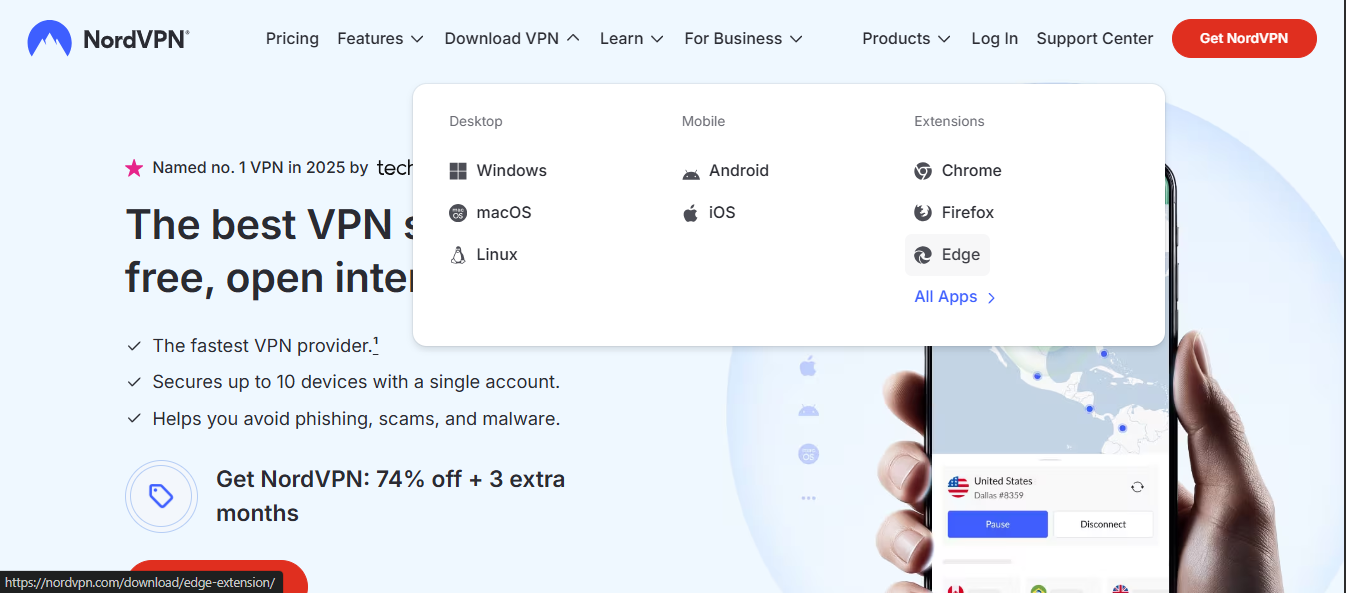
Edge vpn sparrow the complete guide to using a vpn with the edge browser edge extensions privacy and performance: Optimized Tips for Edge VPN, Sparrow, and Extensions
Edge vpn sparrow the complete guide to using a vpn with the edge browser edge extensions privacy and performance Quick fact: A well-configured VPN setup can reduce online tracking and boost privacy without sacrificing speed. If you’re using the Edge browser, there are specific steps, extensions, and settings that can help you get more from your VPN experience.
In this guide, you’ll get a practical, step-by-step approach to using a VPN with Microsoft Edge, including how to choose a VPN, how to install and manage Edge-specific extensions, and how to optimize privacy and performance. We’ll cover:
- Quick-start checklist for Edge users
- How to pick the right VPN for Edge
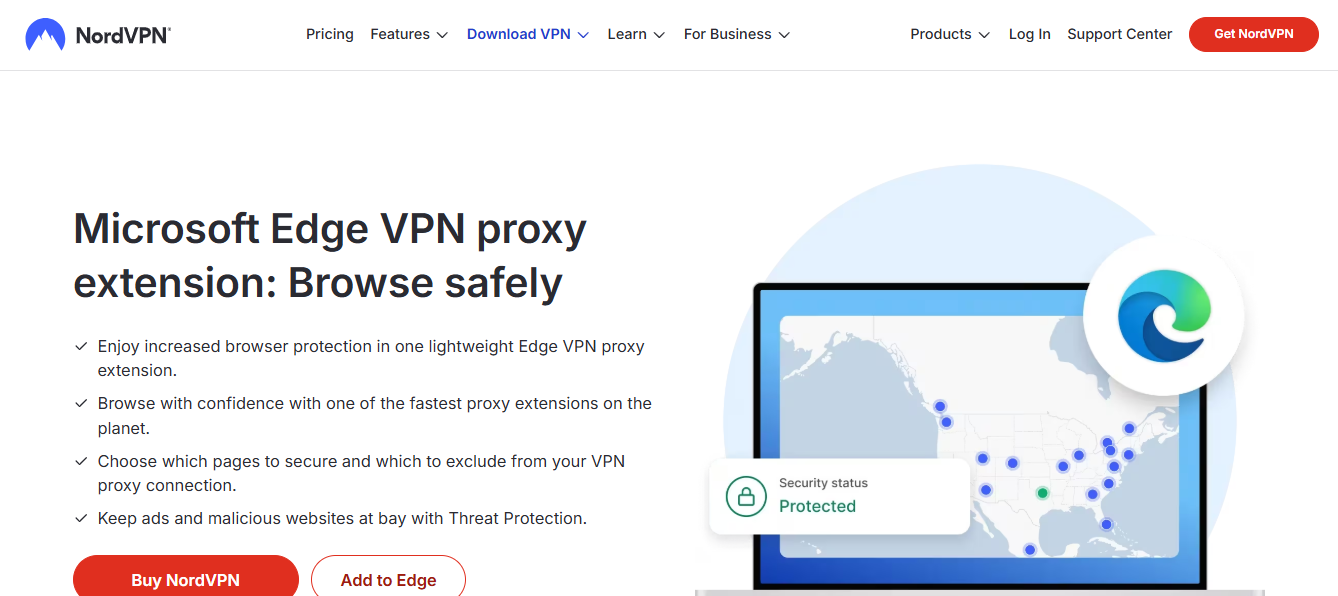
- Installing Edge-compatible VPN extensions
- Privacy controls and leak protections
- Performance tuning and speed considerations
- Real-world use cases and caveats
- Common problems and troubleshooting
Useful URLs and Resources text only Edge VPN support - edge.microsoft.com VPN comparison guides - www.techradar.com Privacy and leak protection basics - www.eff.org Browser extensions catalog - addons.mozilla.org for inspiration, not Edge-specific VPN provider blogs - provider websites Digital privacy best practices - en.wikipedia.org/wiki/Digital_privacy
Why Edge users should consider a VPN
- Edge is built on Chromium, so most VPNs work well, but Edge-specific extensions can add extra convenience.
- A VPN hides your IP from websites, encrypts traffic, and helps bypass geo-restrictions when permitted.
- For travelers and remote workers, a VPN on Edge helps protect public Wi-Fi usage.
How a VPN works with Edge: basics you should know
- Encryption: VPNs create a private tunnel between your device and the VPN server.
- Tunneling protocols: OpenVPN, WireGuard, IKEv2—some are faster, some are more broadly compatible.
- DNS leakage: A good VPN prevents your DNS requests from leaking outside the tunnel.
- Kill switch: If the VPN drops, a kill switch blocks traffic to avoid exposure.
Quick-start checklist for Edge users
- Pick a reputable VPN with Edge compatibility and a solid no-logs policy.
- Install the Edge extension or desktop app, depending on how you prefer to route traffic.
- Enable kill switch and DNS leak protection.
- Test your IP address and DNS leakage after connecting.
- Use split tunneling if your VPN supports it for selective routing.
- Keep Edge and extensions updated.
How to pick the right VPN for Edge
- Privacy policy: Look for a transparent policy and independent audits.
- Security features: AES-256 encryption, strong authentication, and a reliable kill switch.
- performance: WireGuard support usually yields better speed.
- server coverage: A broad presence helps with geo-unblocking and load balancing.
- Edge compatibility: Some VPNs offer Edge-specific extensions or straightforward system-wide VPN options.
- pricing and value: Compare features, device limits, and refund windows.
Comparison snapshot typical features to compare
- Protocols: WireGuard, OpenVPN, IKEv2
- Edge integration: Edge extension vs. system-wide VPN client
- DNS protection: Yes/No
- Kill switch: Yes/No
- Split tunneling: Yes/No
- Simultaneous connections: Number of devices
- Jurisdiction: Country and privacy laws
Installing VPN extensions in Edge
- If your VPN provides an Edge extension, install it from the official store or provider site.
- For most Edge users, the desktop VPN app also routes Edge traffic when enabled.
- Practical tip: Turn on the VPN before opening Edge to ensure all traffic is protected from the start.
Step-by-step: Edge extension installation
- Open Edge and go to the extensions store or your VPN’s download page.
- Click “Add to Edge” or install the extension as guided.
- Pin the extension to your toolbar for quick access.
- Sign in and choose your preferred server.
- Enable “Always use VPN” or equivalent option if available.
Step-by-step: Using a VPN via the Edge desktop app
- Install the VPN desktop app on your computer.
- Launch the app and sign in.
- Pick a server location and connect.
- Open Edge; your traffic should be routed through the VPN.
Privacy and security settings you should enable in Edge
- Tracking prevention: Set to Strict for better privacy, but be aware it can break some sites.
- On-device security: Ensure Windows security features are up to date.
- DNS settings: Prefer DNS-over-HTTPS DoH if your VPN supports it; otherwise rely on VPN DNS.
- Clear browsing data control: Periodically clear cache and cookies to reduce fingerprinting.
Edge-specific extensions that can help
- HTTPS Everywhere: Forces secure connections where available.
- Script Blocker: Limits certain scripts that may track you use with caution.
- Privacy Badger if available as extension: Helps identify trackers.
- VPN extension from provider: For quick connect/disconnect and server selection.
Privacy and performance: balancing speed and security
- Speed vs. security trade-off: WireGuard generally offers faster speeds with solid security; OpenVPN is reliable but can be slower.
- Server selection: Nearby servers typically offer better latency; test a few locations if streaming or gaming.
- Protocol switching: If one server is slow, try another protocol or server.
- Local network interactions: If you’re on a corporate network, VPN usage might be restricted; check policy first.
Real-world tips to optimize performance
- Use a wired connection when possible for stable bandwidth.
- Disable unnecessary extensions in Edge to free up resources.
- Use split tunneling to route only sensitive traffic through the VPN.
- Restart the VPN periodically to refresh connections.
- Check for VPN DNS leaks with a quick online test.
Edge extensions and Sparrow: a practical workflow
- Sparrow-like approach: Keep a clean setup with a primary Edge VPN extension for everyday browsing and a second one for specific tasks like streaming if your provider supports multi-profile configurations.
- Profile management: Create separate browser profiles in Edge for VPN-protected browsing vs. normal browsing to keep testing and workstreams organized.
- Privacy routine: Always verify your IP and location after connecting to a server to confirm protection is active.
Common use cases and how to handle them
- Streaming: Connect to a nearby server, enable VPN, and then reload your streaming site. If HD buffering occurs, switch servers or try a different protocol.
- Work-from-home: Use a corporate VPN server if your IT policy allows; ensure split tunneling is configured if you need local access to resources.
- Public wifi: Always connect to VPN before visiting any sites on public networks to reduce risk.
Troubleshooting and common problems
- Problem: VPN won’t connect
- Check credentials, server status, and protocol compatibility.
- Restart Edge and the VPN extension or app.
- Problem: DNS leaks detected
- Enable DNS leak protection in VPN settings; use DoH if available.
- Problem: Slow speeds
- Switch servers, change protocol, or disable unused extensions.
- Problem: Websites not loading
- Clear cache and cookies; try a different server; verify no firewall is blocking VPN traffic.
- Problem: Edge extension not showing in toolbar
- Remove and reinstall the extension; ensure it’s enabled in Edge extensions.
Security best practices for Edge VPN users
- Always verify VPN status before entering sensitive sites.
- Use two-factor authentication 2FA on VPN accounts when possible.
- Keep Edge and all extensions up to date.
- Regularly review app permissions to minimize data exposure.
- Be mindful of browser fingerprinting and use privacy-friendly settings.
Advanced topics for power users
- Split tunneling: Route only specific traffic through the VPN; local network traffic stays on your normal connection.
- Custom DNS via VPN: Use a trusted DNS provider or the VPN’s own DNS servers to avoid leaks.
- Mesh networks and multi-hop setups: If your provider supports it, multi-hop routes add extra privacy but at the cost of speed.
- Edge policy controls: For family or classroom setups, use Edge policies to enforce privacy and security configurations.
Data privacy considerations when using VPNs with Edge
- No-logs policies: Read the provider’s privacy policy and look for third-party audits.
- Jurisdiction: The country where the VPN operates affects data retention and government requests.
- Data sharing with third parties: Avoid VPNs that sell or share data with advertisers.
- Browser fingerprinting: Even with VPN, your browser fingerprint can reveal information; normalize by minimizing plugins and scripts.
Performance benchmarks and statistics you can rely on
- Typical VPN impact on speed: Expect anywhere from 5% to 40% speed reduction depending on server and protocol.
- Edge extension vs. system VPN: Extensions may add small overhead but keep the browser experience consistent.
- Global server distribution: A broad server network reduces load and improves speed and reliability.
How to test your Edge VPN setup
- IP check: Use an online service to verify your IP matches the VPN server region.
- DNS test: Check for DNS leaks using dedicated test websites.
- Speed test: Run a baseline speed test before connecting and compare after connection.
- WebRTC leaks: Disable or mitigate WebRTC leaks in Edge or via extensions.
Quick test steps
- Connect to your chosen server in Edge or its extension.
- Open a new tab and run a DNS leak test.
- Run a speed test to compare performance with and without VPN.
- Visit a geo-sensitive site to confirm location changes.
Edge browser performance tuning for VPN users
- Disable background tabs’ heavy scripts to free up bandwidth.
- Turn off unnecessary features like prefetching if you’re concerned about privacy.
- Use a lighter Edge theme if you’re running on older hardware to free up resources.
- Regularly clear cache to avoid stale data causing slowdowns.
Practical setup blueprint for beginners
- Step 1: Choose a VPN with Edge compatibility extension or app.
- Step 2: Install and configure the extension/app.
- Step 3: Enable privacy features kill switch, DNS leak protection, DoH.
- Step 4: Connect to a nearby server and test your setup.
- Step 5: Customize Edge privacy settings and enable essential extensions.
- Step 6: Create a clean workflow with a dedicated browser profile for VPN browsing.
Edge VPN sparrow best practices
- Stay informed: Keep up with VPN provider updates and Edge browser changes.
- Test regularly: Periodically run IP and DNS tests to confirm protections are active.
- Use profiles: Separate tasks into profiles to keep testing organized.
- Balance privacy and usability: Start with strict settings and loosen them only when needed for a site.
Frequently asked questions
How do I know if my VPN is working in Edge?
If your IP address and DNS shows the VPN server location and your real IP is hidden, your VPN is working. Always run a quick IP check after connecting.
Can I use a VPN extension in Edge without a desktop app?
Yes. Many providers offer Edge extensions that route traffic through their servers. For full-featured protection, use the desktop app as well.
Does Edge support split tunneling?
Some VPNs support split tunneling with Edge. Check your provider’s features to enable this.
Will a VPN slow down my Edge browsing?
Some slowdown is normal due to encryption and routing. Choosing a fast protocol like WireGuard and nearby servers helps minimize impact.
Is it safe to use public Wi-Fi with a VPN on Edge?
Yes. A VPN adds a layer of security when on public Wi-Fi, especially for sensitive browsing or financial transactions. Edge vpn mod premium 2026
Can I bypass geo-restrictions with Edge VPN?
Many VPNs can unblock geo-restricted content by connecting to a server in the required location. Be mindful of the terms of service of streaming platforms.
Should I enable DoH with a VPN in Edge?
DoH can add privacy, but some VPNs handle DNS internally. If your provider supports DoH, enable it, but verify no leaks.
How do I prevent DNS leaks in Edge?
Enable the VPN’s DNS leak protection and consider using DoH with trusted servers. Run a DNS leak test after connecting.
What is a kill switch and do I need it?
A kill switch stops all traffic if the VPN disconnects unexpectedly, preventing leaks. It’s highly recommended.
Can I use multiple VPNs with Edge?
Running two VPNs simultaneously can cause conflicts. Generally, pick one trusted VPN at a time. Edge vpn chrome: the complete guide to using a VPN in Microsoft Edge, setup tips and comparisons 2026
How often should I update my Edge extensions?
Update extensions regularly to benefit from security fixes and new features. Enable automatic updates if possible.
Do VPNs log user activity?
Look for independent audits and transparent privacy policies. The best options have strict no-logs policies and third-party verification.
Can I use the VPN for gaming in Edge?
Yes, but latency matters. Choose a server near your location and a low-latency protocol to minimize lag.
What if Edge blocks VPN traffic?
Check VPN settings, disable conflicting extensions, and ensure your firewall isn’t blocking VPN protocols.
Is Edge VPN sparrow the complete guide to using a vpn with the edge browser edge extensions privacy and performance copyrighted?
This guide provides practical steps and insights for Edge users to use VPNs effectively with Edge extensions and privacy controls; it’s intended to help you optimize privacy and performance. Edge vpn download for pc 2026
Edge vpn sparrow is a concept referring to using a VPN in conjunction with the Edge browser. In this guide, you’ll get a clear, practical path to protect your Edge browsing, choose the right VPN, configure it with Edge extensions, test performance, and troubleshoot common issues. Think of this as a step-by-step setup plus real-world tips you can apply today. Below is a quick summary of what you’ll learn, followed by the and practical instructions. - How Edge supports VPNs today extensions vs system-level VPN - How to pick a VPN for Edge privacy, speed, and features that matter - A step-by-step setup for Edge extensions and when to use a full-device VPN - Tips for streaming, gaming, remote work, and privacy on Edge - How to test if your VPN is actually protecting you on Edge IP, DNS, WebRTC, leaks - Troubleshooting common Edge VPN issues - Practical comparisons and best practices for Edge users Useful URLs and Resources - Edge Official Site: edge.microsoft.com - Microsoft Edge Add-ons Store: microsoftedge.microsoft.com/addons - NordVPN: nordvpn.com - PrivacyTools: privacytools.io - VPN comparison and reviews: vpnmentor.com Introduction Edge vpn sparrow is a concept referring to using a VPN in conjunction with the Edge browser. Yes, you’ll want a solid plan if you’re browsing on Edge and care about privacy, security, and getting past geo-blocks. In this guide, you’ll find: a quick overview of Edge’s VPN options, a thorough buyer’s guide for choosing a VPN that plays well with Edge, a practical setup walk-through for Edge extensions, performance tips to minimize speed loss, privacy best practices, and a robust FAQ to cover the common questions. We’ll also compare Edge extensions to full-device VPNs and give you real-world tips for streaming, work, and travel scenarios. If you’re ready to protect Edge browsing today, consider the NordVPN offer shown above in the introduction, which you can explore with one click and a quick sign-in to start shielding your traffic. Edge vpn sparrow Resources unclickable for easy reading What you’ll get in this article: - A complete, practical guide to Edge-compatible VPNs and extensions - Clear pros and cons for browser extensions vs full-device VPN - A step-by-step setup for Edge VPN extensions - Tips for privacy, security, and speed on Edge - Testing methods to verify VPN protection on Edge - A thorough FAQ with common Edge VPN questions What is Edge vpn sparrow and why it matters Edge vpn sparrow is about using a VPN in a way that fits the Edge browser’s ecosystem. Since Edge is now a Chromium-based browser, you have access to the same wide ecosystem of VPN extensions as Chrome, plus the option to run a full VPN on your device. Here’s why this matters: - Privacy on Edge: A VPN hides your IP, encrypts your traffic, and reduces the chance of your ISP or network operator seeing exactly what you’re doing online. This is especially useful on public Wi-Fi, in schools or workplaces with monitoring, or when you want to minimize fingerprinting by your ISP. - Access to global content: VPNs let you choose servers in different regions, letting you access region-locked content in Edge just like you would in any other browser. - Edge-friendly setup: Because Edge supports extensions from the Chromium ecosystem, you can add a VPN extension directly in Edge. That keeps things simple and centralized for casual users who want a quick protective shield without a separate app. - Performance considerations: VPNs can slow you down, especially when you’re far from VPN servers or using older protocols. Understanding Edge VPN options helps you balance security with speed. How Edge supports VPNs today Edge, being Chromium-based, embraces the same extension model as Chrome. That means you’ll typically see two main ways to VPN with Edge: - Browser extensions Edge Add-ons Store: A VPN extension sits inside Edge and routes your browser’s traffic through the VPN. This is simple to set up and is great for everyday browsing, but it may not cover all app traffic on your device. - Full-device VPN apps: A dedicated VPN app runs at the operating system level and protects all network traffic from your device, including Edge and other apps. This is more thorough and can include a kill switch, DNS leak protection, and system-wide privacy protections. Key Edge considerations: - WebRTC leaks: Sometimes, WebRTC can reveal your real IP in Edge. Many VPN extensions and apps offer options to disable WebRTC or add leakage protection. - DNS leaks: A VPN should handle DNS requests securely. If you only use a browser extension, you’ll want to confirm the extension or your OS isn’t leaking DNS outside the VPN tunnel. - Kill switch: For VPN extensions, a browser-level kill switch may be limited. OS-level VPNs often provide a robust kill switch that stops all traffic if the VPN disconnects. Choosing a VPN for Edge: key factors When you’re selecting a VPN for Edge, focus on a few practical factors: - Edge extension availability: Not every VPN offers a reliable Edge or Chrome extension. Confirm you can install and run the extension in Edge without issues. - Protocols and speed: Look for WireGuard or equivalent fast protocols. WireGuard shines for speed and modern cryptography. OpenVPN is solid but can be slower on long-distance connections. - Privacy policy and jurisdiction: Choose VPNs with clear no-logs policies and reputable privacy practices. Jurisdiction matters for data requests and government access. - Kill switch and DNS leak protection: A good VPN will automatically block traffic if the VPN drops, and ensure DNS requests stay within the tunnel. - Server network and performance: More nearby servers typically mean better latency and speed. If you’re streaming, ensure the VPN can reliably access the content you want. - Edge-specific features: Split tunneling select which sites use VPN vs. direct can help you preserve speed for non-sensitive tasks or reduce VPN load on streaming sites. - Privacy and security extras: Features like automatic malware protection, ad blocking, and tracker blocking add value for Edge users who want a safer browsing experience. Browser extensions vs full-device VPN for Edge Here’s a practical comparison to help you decide which path to take: - Edge extension VPN browser-based - Pros: Quick setup, browser-level protection, fast to switch servers, often cheaper or included in a subscription. - Cons: Only traffic from Edge and sometimes other apps that use the browser’s proxy settings goes through the VPN. OS-wide protection isn’t guaranteed. WebRTC and DNS leaks need to be managed via extension options. - Full-device VPN system-wide - Pros: Protects all traffic from Edge and other apps. robust kill switch. better DNS and IPv6 handling. easier to enforce privacy across the whole device. - Cons: Slightly more complex setup. may require device-wide permissions. some apps may not work well with VPNs for streaming or gaming if servers are overloaded. Most Edge users start with a VPN extension for quick protection while browsing, then consider a full-device VPN if they want comprehensive coverage home devices, mobile, other apps or if they need a strict kill switch and DNS management. Step-by-step: How to set up a VPN extension in Edge Follow these practical steps to get your Edge vpn sparrow up and running: 1 Pick a VPN with a solid Edge/Chromium extension - Check reviews and confirm the extension is actively maintained. - Ensure the provider supports WireGuard or OpenVPN in the extension. 2 Install the extension in Edge - Open Edge and go to the Edge Add-ons Store. - Search for your chosen VPN extension and click Add to Edge. - Confirm permissions proxy, browser data, etc. the extension asks for. 3 Sign in and configure - Sign in with your VPN account. - Grant the extension the necessary permissions to run in normal and, if supported, InPrivate windows. - In the extension options, enable features like WebRTC protection or DNS leak protection if available. 4 Choose a server and connect - Pick a server location based on your goal: nearest for speed, a region for streaming, or a country with strong privacy laws for security. - Connect and verify the connection status in the extension. 5 Test for leaks and performance - Use an IP-check site to confirm your IP matches the server location. - Run a WebRTC test and a DNS leak check to ensure everything routes through the VPN. - If speed is slow, try a closer server, switch protocols, or choose a less congested time. 6 Optional: Edge-specific privacy tweaks - Disable WebRTC in Edge if your VPN extension doesn’t cover WebRTC. some users disable WebRTC in Edge to minimize leaks. - Enable any available tracking protection and privacy presets in Edge to complement your VPN. 7 When to use a full-device VPN on top - If you want your email, messaging apps, and system services protected not just Edge traffic. - If you need a robust kill switch and better DNS handling. - If you’re on a heavily restricted network where all traffic must be secured outside the browser. Edge-specific privacy settings and best practices To maximize Edge privacy while using a VPN, apply these practical tips: - Use Edge profiles: Create a dedicated profile for sensitive browsing or work, separate from your casual browsing profile. This makes it easier to default to VPN protection for high-risk sessions. - Enable tracking prevention: Edge’s built-in tracking prevention helps reduce fingerprinting and ad tracking. pair this with a VPN for layered privacy. - Be mindful of WebRTC: WebRTC can leak IPs even with a VPN if not protected. If your extension doesn’t fully block this, disable WebRTC in Edge settings or via extension options if possible. - DNS management: Prefer a VPN with DNS leak protection or use a system-wide VPN to ensure DNS queries stay within the tunnel. - Kill switch behavior: If your VPN extension doesn’t offer a reliable kill switch, run a full-device VPN or check if your router supports VPN passthrough with a kill switch. - Privacy-friendly search: In Edge, consider privacy-focused search defaults or using a secure engine in addition to your VPN for a stronger privacy posture. - Periodic checks: Run monthly tests for IP, DNS, and WebRTC leaks to ensure you’re still protected as software updates roll out. How to test your VPN on Edge A quick test routine helps you confirm you’re truly protected: - IP address check: Visit a site like iplocation.net and verify the IP shows a location different from your actual one, corresponding to your VPN server. - DNS leak check: Use a DNS leak test site to ensure DNS requests are resolved by the VPN provider’s DNS, not your ISP. - WebRTC leak test: Open a WebRTC leak test page. If your real IP shows up, disable WebRTC or enable the VPN extension’s protections. - Speed test: Run a speed test with and without the VPN to gauge impact. If a particular server is too slow, try a different location. - Streaming test: If you’re using Edge to access streaming content, verify that the server workaround works and throttling isn’t blocking playback. Common issues and troubleshooting Edge VPN users often run into a few recurring issues. Here’s how to handle them: - Issue: VPN extension won’t connect - Check your login status, server availability, and any required permissions in Edge. - Try a different server location or protocol if available in the extension. - Disable conflicting extensions some ad blockers can interfere with VPN proxies and re-enable the VPN. - Issue: Slow speeds - Switch to a closer server or a server optimized for streaming. - If you use a WireGuard option, try it. some networks perform better with WireGuard than OpenVPN. - Ensure no other apps saturate bandwidth during Edge usage. - Issue: DNS leaks - Enable DNS leak protection in the extension or switch to a full-device VPN with robust DNS handling. - Disable IPv6 if your VPN doesn’t support it. some VPNs work best with IPv4 only, though many now support IPv6. - Issue: WebRTC leaks - Disable WebRTC in Edge if possible, or use an extension setting that blocks WebRTC leaks. - Issue: Edge InPrivate mode blocking the extension - Ensure the extension is allowed to run in InPrivate mode in Edge’s extension settings, or use a standard browsing profile for VPN tasks. - Issue: Streaming is blocked or detected as VPN traffic - Some streaming services detect VPN usage. Try a different server or a VPN with dedicated streaming support, and ensure your tunnel isn’t split so you’re routing the right traffic through VPN. Edge vpn sparrow for streaming, gaming, and remote work - Streaming: If you want to access geo-locked content, choose servers in regions that have the rights to stream the catalog you want. Be mindful of VPN-detecting services that block known VPN IPs. you may need to rotate servers or use a service with rotating IPs. - Gaming: Lower latency matters. Pick local or nearby servers to reduce ping times. Some VPNs offer gaming-optimized servers with lower overhead and stable routes. - Remote work: For work-from-home setups, a system-wide VPN can protect all traffic, from email to video calls. In Edge, you still benefit from browser-level protections and encryption, while the full-device VPN covers everything else. Safety and legal considerations - Always respect local laws and terms of service. VPNs are legal in many places, but some networks or services restrict VPN use or require compliance with local regulations. - Use privacy tools responsibly. A VPN is part of a broader privacy strategy, but it isn’t a silver bullet. Combine VPNs with strong passwords, two-factor authentication, and regular software updates. - Choose reputable providers. Free VPNs often monetize your data or present weaker protections. For Edge users, a paid provider with a clear no-logs policy and strong encryption is a safer bet. Practical Edge tips and recommendations - Start with a trusted extension for Edge, then consider a full-device VPN if you need broader protection. - Keep your Edge browser updated to ensure the best compatibility with extensions and privacy features. - Regularly review permissions granted to extensions. revoke anything you don’t actively use. - If you rely on private networks like hotel Wi-Fi, always enable VPN protection and keep WebRTC protections enabled. Frequently Asked Questions # 1. What is Edge vpn sparrow? Edge vpn sparrow refers to using a VPN within the Edge browser environment, either via a browser extension or a full-device VPN, to protect your Edge browsing, improve privacy, and access geo-restricted content. # 2. Can I use a VPN extension in Edge? Yes. Because Edge is Chromium-based, you can install many VPN extensions from the Edge Add-ons Store, similar to Chrome extensions. # 3. Do I need a full-device VPN if I already have a Edge extension? Not always. A browser extension covers your Edge traffic, but a full-device VPN protects all traffic across your device, which is important for non-browser apps and extra privacy controls like a robust kill switch. # 4. How do I prevent WebRTC leaks in Edge when using a VPN? Try a VPN extension with built-in WebRTC protection, or disable WebRTC in Edge settings if available. Some extensions offer a toggle specifically for WebRTC leakage protection. # 5. Will a VPN slow down my Edge browsing? Possibly, yes. VPNs add encryption and route your traffic through servers, which can introduce latency. Choosing nearby servers and modern protocols like WireGuard usually minimizes slowdowns. # 6. Is it safer to use Edge with a VPN extension or a full-device VPN? A full-device VPN provides more comprehensive protection including non-browser apps and a stronger kill switch. A VPN extension is faster and simpler for everyday Edge browsing, but may not cover all traffic. # 7. Can I use Edge VPN sparrow on mobile? Yes, the same VPN provider you use on your desktop usually offers a mobile app. You can run Edge on mobile with the VPN app active for device-wide protection. # 8. How do I test if my Edge VPN is working? Run IP checks, DNS leak tests, and a WebRTC leak test while connected to the VPN. Compare results to when you’re not connected to confirm the VPN is actively protecting you. # 9. Can I access geo-restricted content with Edge VPN sparrow? Yes, by connecting to servers in the region where the content is available. Be aware that many streaming services actively block VPN IPs, so you may need to switch servers from time to time. # 10. What should I look for in a VPN for Edge? Look for Edge extension availability, fast protocols preferably WireGuard, a clear no-logs policy, a robust kill switch, DNS leak protection, and a solid server network. # 11. Do I need to disable IPv6 for VPNs on Edge? It depends on the provider. Some VPNs handle IPv6 well, while others can cause leaks. If you’re unsure, check your VPN’s documentation or disable IPv6 at the OS level to avoid leaks. # 12. Can I use WebRTC while connected to a VPN on Edge? You can, but you’ll want WebRTC protection either through the VPN extension or by disabling WebRTC in Edge to prevent IP leaks. # 13. Are there Edge-specific privacy tips beyond VPNs? Yes. Use Edge’s built-in tracking prevention, enable privacy-friendly search options, and consider a privacy-focused DNS or a privacy-centric extension in addition to your VPN. # 14. What’s the best practice for streaming in Edge with VPN? Use a VPN with fast servers optimized for streaming, connect to a nearby server, and test a few different regions to avoid throttling or blocks by the streaming service. # 15. Can VPNs hide my online activity from my employer or school network when using Edge? VPNs can mask traffic to external observers, but devices and networks may still monitor activity through endpoint security tools, and some services may detect VPN usage. Always comply with policies and local laws.
If you found this Edge vpn sparrow guide helpful, consider bookmarking it as a quick reference for setting up and troubleshooting VPNs with Edge. The goal is to give you practical steps, real-world tips, and a clear path to safer, more private Edge browsing—without turning you into a tech expert overnight.
翼游vpn 使用指南与评测:在全球范围内安全、高效地上网