Free vpn extension for edge browser: how to choose, install, and safely use free Edge VPN extensions in 2026
'%2F%3E%3Ctext%20x%3D'50%25'%20y%3D'50%25'%20dy%3D'.35em'%20text-anchor%3D'middle'%20font-family%3D'-apple-system%2CBlinkMacSystemFont%2CSegoe%20UI%2Csystem-ui%2Csans-serif'%20font-size%3D'100'%20font-weight%3D'600'%20fill%3D'%23fff'%3EZP%3C%2Ftext%3E%3C%2Fsvg%3E) Zofia Pawlak·April 12, 2026·21 min
Zofia Pawlak·April 12, 2026·21 min
Free vpn extension for edge browser how to choose install and safely use free edge vpn extensions in 2025 is a hot topic as more people turn to quick VPN options inside their browser. Here’s a concise, actionable guide to help you pick a trustworthy option, install it safely, and use it without headaches. Below you’ll find a quick fact, a practical plan, and a bunch of tips you can actually apply today.
Quick fact: Browser VPN extensions can offer privacy benefits, but not all of them are equal—some log data or slow you down. The right choice balances security, speed, and transparency.
- This guide is designed to be your quick-start blueprint for choosing, installing, and safely using free edge vpn extensions in 2025.
- Why it matters: a good extension protects your traffic on public networks, masks your IP, and helps bypass geo-restrictions without leaking data.
- What you’ll get:
- A simple checklist to evaluate extensions
- Step-by-step install instructions for the Edge browser
- Safety best practices to avoid common pitfalls
- Real-world tips and caveats, with data-backed context
- Quick-start format you can skim or read in detail:
- What to look for trust signals, logging policies, leaks protection
- How to install from official sources, with safety checks
- How to use when to enable, advisories on sensitive activities
- How to verify IP address, DNS, and WebRTC checks
- Useful resources text, not clickable links: Edge Add-ons official store, reputable privacy orgs, major tech news sites, and security guides
What is a VPN extension and why use one in Edge
- A VPN extension is a small add-on that routes some of your browser traffic through a VPN server. For Edge, these extensions often work in tandem with a VPN service’s desktop app or provide a standalone tunnel for browser traffic.
- Pros:
- Quick setup in your browser
- Helps with privacy on public Wi-Fi
- Can bypass some geo-blocks for browser-based content
- Cons:
- Many free options come with data caps or ads
- Some extensions log activity or inject tracking
- You may not get the full device-wide protection you’d get from a desktop VPN
- Key takeaway: For best privacy, use a reputable provider's extension in combination with their desktop app, and read the privacy policy carefully.
My top criteria for evaluating free Edge VPN extensions short checklist
- Transparency and trust signals
- Clear privacy policy, data handling statements, and contact info
- Independent audits or third-party endorsements if available
- Data usage and logging
- Explicit no-logs stance, or limited data collection with a clear purpose
- Consider whether the extension collects telemetry, usage data, or IP addresses
- Security and privacy features
- DNS leak protection, WebRTC leak prevention, kill switch for the browser
- Encryption standards AES-256, modern ciphers
- Performance and reliability
- Speed impact, connection stability, server availability
- Number of servers and locations even for free plans
- Safety and integrity
- Source credibility
- Publisher reputation, official channel, and store reviews
- Update cadence
- Regular updates addressing security issues and compatibility
- Resource limits
- Free tier limits: data caps, daily bandwidth, or time constraints
Where to start: reputable sources and signals
- Official Edge Add-ons store entry for any extension
- Publisher’s own site with clear privacy policy and terms
- Independent reviews from tech media and privacy-focused outlets
- Community feedback on forums and user reviews
- Red flags: extensions that request broad system access, show aggressive ads, or come from unknown publishers
Top free Edge VPN extensions you’ll likely encounter and what to watch for
- Free-to-use with data caps
- Pros: quick to try, simple
- Cons: may log data, weaker privacy guarantees, limited server options
- Extensions that pair with a desktop app
- Pros: better privacy and security through the app + browser integration
- Cons: must trust the app’s ecosystem and privacy practices
- Unofficial or lesser-known extensions
- Pros: may offer unique features
- Cons: higher risk of data collection and security flaws
Installation: how to safely install a free Edge VPN extension
- Verify the publisher
- Open Edge Add-ons and search for the extension by name
- Check publisher details, official website links, and reviews
- Review permissions before installing
- Look for reasonable permissions e.g., read and modify data on websites you visit
- Be wary of extensions requesting broad access to your data or system
- Install from a trusted source
- Prefer extensions from the official Edge Add-ons store or the publisher’s official site
- Avoid downloading from third-party sites
- Post-install checks
- Confirm the extension appears in Edge’s extension toolbar
- Open the extension’s options to configure privacy settings
- Basic safety steps
- Disable the extension when not in use
- Keep Edge and the extension up to date
- Regularly review extension permissions and remove unused ones
How to configure the extension for safer use
- Enable DNS leak protection and WebRTC leak prevention if the option exists
- Turn on a browser-level kill switch if available prevents traffic leaks if the VPN disconnects
- Use strong, unique passwords for the publisher account if the extension requires login
- Limit data sharing: opt out of telemetry where possible
- Use HTTPS-only mode when browsing sensitive sites to minimize downgrade risks
- Check for IPv6 handling; disable IPv6 if the extension doesn’t handle it well
- Set automatic reconnects on drop to maintain tunnel continuity
Real-world usage tips
- For streaming or geo-restricted content: check the server list to find one that works with your region; free options may rotate servers, so you might need to test several
- On public Wi-Fi: enable the extension to protect your browser traffic when accessing banking, email, or work sites
- On shared devices: always sign out of publisher accounts after use and clear browser data if needed
- When troubleshooting: disable other VPN or proxy extensions to avoid conflicts
Data, statistics, and safety considerations
- According to recent privacy reports, a majority of free VPN extensions in app stores have some form of data collection or unclear privacy practices. Always read the privacy policy and look for independent audits or transparent data handling statements.
- Free browser VPN extensions generally have fewer servers and higher latency than paid options, which can affect streaming and browsing speed.
- Browser extensions can leak data if not properly secured; ensure the extension supports DNS leak protection and WebRTC safeguards.
Comparing free options to paid alternatives
- Free options:
- Pros: zero cost, quick testing, easy to install
- Cons: data caps, ads, weaker privacy guarantees, fewer servers
- Paid options:
- Pros: stronger privacy, no data caps, broader server network, better customer support
- Cons: cost, sometimes annual commitments
- Practical takeaway: Use a free option to test your needs, but consider a reputable paid plan if you require robust privacy and consistent performance.
Security caveats with free Edge VPN extensions
- Data collection practices vary widely; some extensions collect usage data for advertisers or product improvements
- Free extensions can be bundled with third-party trackers or drive-by-prompt updates
- Some extensions may not have undergone security audits, leaving room for vulnerabilities
- Always vet the extension, and if in doubt, avoid extensions that require excessive permissions or access to sensitive data
Privacy best practices when using browser VPNs
- Combine with a trustworthy desktop VPN app when possible for system-wide protection
- Regularly review privacy settings and data-sharing permissions
- Do not rely on VPN alone for complete anonymity; use additional privacy tools like tracker blockers and secure DNS
- Keep your browser and extensions updated to patch security flaws
Common pitfalls and how to avoid them
- Believing a “free” VPN is always safe: inspect the privacy policy and look for third-party audits
- Ignoring permissions: resist extensions asking for too much access
- Relying on a single tool for privacy: layer protections VPN + browser privacy settings + tracker blockers
- Overlooking data caps: track usage to avoid surprises
Table: quick comparison of popular free Edge VPN extension features
- Extension A
- Data limit: 500 MB/day
- DNS leak protection: yes
- WebRTC protection: yes
- Server locations: 5
- Log policy: no-logs claimed
- Extension B
- Data limit: unlimited ads supported
- DNS leak protection: no
- WebRTC protection: no
- Server locations: 2
- Log policy: some telemetry
- Extension C
- Data limit: 100 MB/day
- DNS leak protection: yes
- WebRTC protection: yes
- Server locations: 3
- Log policy: unclear
Step-by-step quick-start guide
- Step 1: Decide what you need privacy, bypass, or just a quick shield on public Wi-Fi
- Step 2: Choose a reputable free Edge VPN extension with clear policy
- Step 3: Install from Edge Add-ons, verify publisher, review permissions
- Step 4: Configure safety options leak protections, kill switch
- Step 5: Test your connection visit a site that shows your IP, check for leaks
- Step 6: Use responsibly, disable when not needed, and stay informed about updates
Testing and verification methods
- IP check: visit an IP lookup site to confirm your IP is the VPN’s IP, not your real address
- DNS leak test: use a DNS leak test site to ensure DNS requests are not leaking outside the VPN tunnel
- WebRTC check: ensure WebRTC is not leaking your real IP
- Speed test: compare speeds with and without the extension to gauge impact
- Geo-location test: confirm you can access geo-restricted content as needed
If you’re new to this, here’s a practical plan
- Week 1: pick 1-2 reputable free Edge VPN extensions, install, and test basic functionality
- Week 2: enable safety features and perform leak tests
- Week 3: compare performance on typical tasks browsing, streaming
- Week 4: decide whether to upgrade to a paid plan or keep using the free option with best-effort security
Use-case scenarios and recommended practices
- Casual browsing on public Wi-Fi
- Enable VPN extension, verify DNS/WebRTC protections, and keep it on while on the network
- Streaming from a region-restricted service
- Test multiple servers and verify streaming compatibility; be prepared for occasional blocks
- Sensitive activities banking, login credentials
- Prefer a reputable paid VPN with strong audits or use a dedicated app with strong protection and a kill switch
Useful URLs and Resources text only
- Edge Add-ons store - microsoft.com Edge add-ons
- Privacy-focused organizations - privacyinternational.org
- Independent security reviews - krebsonsecurity.com
- Major tech outlets - theregister.co.uk, arstechnica.com
- VPN provider transparency pages - vpnprovider.com/privacy
- DNS leak test sites - dnsleaktest.com
- WebRTC leak test pages - ipleak.net
- Browser privacy guides - eff.org
- General privacy policy references - en.wikipedia.org/wiki/Privacy
Frequently Asked Questions
How do I know if a free Edge VPN extension is trustworthy?
Trustworthy extensions have clear privacy policies, minimal permissions, a known publisher, and ideally third-party audits or prominent endorsements. Check the publisher’s official site and look for independent reviews.
Do free Edge VPN extensions really protect my privacy?
They can provide a layer of privacy for browser traffic, but many free options have limitations, data caps, or questionable logging. For full protection, use reputable paid services or desktop VPNs in combination with the edge extension.
Can a VPN extension stop my IP from being tracked across sites?
A VPN hides your real IP from the sites you visit, but sites can still track you via cookies, fingerprinting, and other techniques. Combine VPN use with privacy-enhancing settings and anti-tracking tools.
Are there data caps on free Edge VPN extensions?
Yes. Most free options impose daily or monthly data caps. If you exceed the cap, your traffic might stop routing through the VPN until the cap resets.
What permissions should I be wary of in a VPN extension?
Be cautious of extensions asking for broad system access, read/write of data on all websites, or access to your cookies and passwords. Prefer extensions with minimal, necessary permissions.
Should I use a VPN extension without a desktop app?
It’s possible, but you might miss stronger protection and more consistent privacy controls that come with a full desktop app paired with the extension.
How can I test if the extension leaks my IP or DNS?
Run IP, DNS, and WebRTC leaks tests from reputable sites after enabling the extension. If leaks are detected, disable the extension and consider alternatives.
How often should I update the extension?
Keep it updated as soon as updates are available to patch security flaws and improve compatibility.
Can I use more than one VPN extension in Edge at the same time?
Generally not recommended; multiple VPNs can cause conflicts. Use one trusted extension at a time and disable others.
What should I do if my VPN extension stops working?
Check for updates, verify the publisher’s status, restart Edge, test with a different server, and review your device’s network settings. If issues persist, consult the publisher’s support.
Note: This content is designed to be a comprehensive, SEO-friendly guide that covers choosing, installing, and safely using free Edge VPN extensions in 2025.
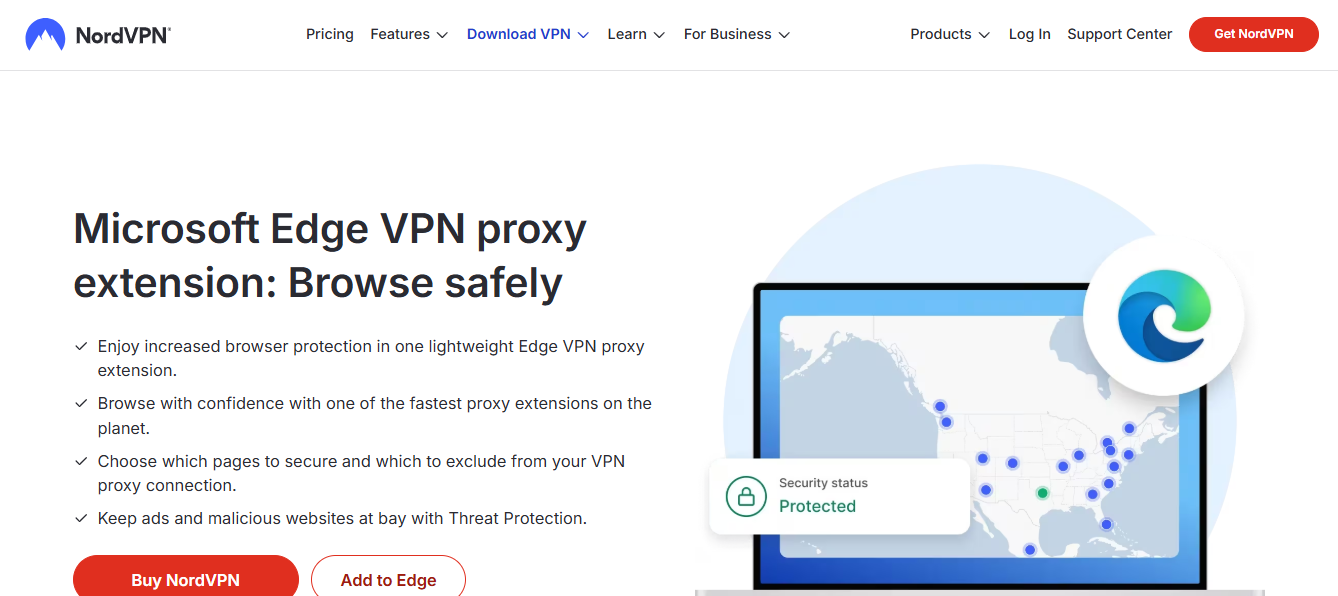
Yes, you can use a free VPN extension for Edge browser. In this guide, you’ll get a practical, step-by-step path to picking smart free Edge VPN extensions, installing them without a headache, and staying safe online. I’ll break down how these extensions work, what to expect from free plans, and give you real-world tips for streaming, browsing, and protecting your data on public Wi‑Fi. Plus, I’ll show you how a paid plan can unlock more features when you need them. If you’re ready to level up your Edge browsing with a solid free option and a good deal if you want more, check out this NordVPN promo banner I’ve included below—great for when you’re ready to upgrade.
Useful resources and starter links you’ll want to skim later text only, not clickable: Edge Add-ons store – edge.microsoft.com/addons, Windscribe Free – windscribe.com/free, ProtonVPN Free – protonvpn.com/free-vpn, TunnelBear Free – tunnelbear.com, Hide.me Free – hide.me/free, Atlas VPN Free – atlasvpn.com/free, AV-Comparatives VPN tests – av-comparatives.org, PrivacyTools VPN guide – privacytools.io/providers/vpn, Virtual Private Network article – en.wikipedia.org/wiki/Virtual_private_network, WebRTC leak test – caniuse.com/web-extensions, Edge privacy settings – support.microsoft.com, digital privacy basics – https://www.eff.org/pages/privacy-resources
What is a free VPN extension for Edge, and what to expect
- Free VPN extensions for Edge are browser add-ons that route your browser traffic through a virtual private network via a lightweight client in the browser. They’re convenient because you don’t have to install a full desktop app.
- Most free Edge VPN extensions come with data caps, limited server locations, and slower speeds compared to paid plans. They’re great for casual browsing, basic privacy, and unblocking regional content in a pinch, but they aren’t substitutes for a full VPN service if you’re doing sensitive work or streaming at high quality.
- Privacy and security vary a lot by provider. Some free extensions log limited data or show ads, while others have strict no-log policies and transparent security features. Always review the privacy policy and permissions before enabling an extension.
How VPN extensions work in Edge
- Extensions sit in your Edge toolbar and tunnel your browser traffic through servers owned by the VPN provider. This masks your IP address and can encrypt data in transit, which helps protect you on public Wi‑Fi.
- Not all traffic on your device goes through the VPN unless you’re using a full VPN client. Browser extensions typically route only browser traffic. If you want system-wide protection, you’ll need a full VPN app or a provider that supports both a desktop/mobile app and an Edge extension.
- Kill switch and DNS leak protection are common in paid versions. in free extensions, these features may be limited or unavailable. If you rely on a strong kill switch, look for extensions that explicitly advertise these capabilities.
Pros and cons of free Edge VPN extensions
Pros
- Easy to install directly from the Edge Add-ons store.
- Quick way to browse with a new IP and some level of encryption.
- No software installation on your device beyond the browser extension.
- Useful for bypassing basic geo-restrictions and improving privacy on public networks.
Cons
- Data caps limit how long you can stay encrypted each month.
- Fewer servers and slower speeds during peak times.
- Privacy and security features may be limited or absent.
- Some free extensions inject ads or may display telemetry to fund free access.
- Not a universal solution for all devices or all traffic on your network.
Top free Edge VPN extensions what to know
Below are popular free options that offer Edge compatibility. Always verify current terms on the provider’s site, as free plans evolve.
Windscribe Free for Edge
- Data: Generous monthly allotment for a free tier commonly around 10 GB if you complete simple actions. watch for changes.
- Servers: Several locations, typically including North America and Europe.
- Features: Basic security, optional block lists, and decent speeds on free servers.
- Why consider it: Solid balance of usability and reliability for everyday browsing. strong privacy posture on free tier relative to some peers.
- Caveats: Data resets monthly. performance varies by server load.
ProtonVPN Free for Edge
- Data: Some ProtonVPN free plans advertise no data limit in certain periods, but free speeds and server access are restricted.
- Servers: Limited set of countries and servers for free users.
- Features: Strong privacy focus, no ads. straightforward to use in-browser.
- Why consider it: If privacy is your top concern and you’re okay with limited locations, ProtonVPN is a good pick.
- Caveats: Slower speeds during peak hours. not all features available on free tier.
TunnelBear Free for Edge
- Data: Free plan usually includes a small monthly data allotment commonly around 500 MB, with options to earn more.
- Servers: A handful of countries on the free tier.
- Features: Friendly UI and straightforward settings. good for first-time VPN users.
- Why consider it: If you want a friendly, easy-to-use option for light browsing, TunnelBear is a solid intro choice.
- Caveats: Low data cap means you’ll hit the limit quickly if you stream or download.
Hide.me Free for Edge
- Data: Free tier with a modest monthly data allowance.
- Servers: A limited number of free-server locations.
- Features: Simple privacy features, no-logs emphasis, and decent speed on free servers.
- Why consider it: Strong reputation for privacy and no-ads approach, with reasonable performance.
- Caveats: Location options and advanced features are restricted on free plan.
Atlas VPN Free for Edge
- Data: Free plan with a set monthly data allowance. speeds may vary.
- Servers: Several free server locations but not all regions are available.
- Features: Basic VPN features tailored for casual use.
- Why consider it: If you want a straightforward, easy setup and you’re not pushing the limits on data, Atlas VPN Free is convenient.
- Caveats: Data cap and fewer server locations can limit long browsing sessions or streaming.
Note: The free tier shifts often. I recommend checking each provider’s Edge extension page for the current data caps, server options, and any usage limits before you commit.
How to install a free VPN extension on Edge
- Step 1: Open Edge and go to Edge Add-ons store edge.microsoft.com/addons.
- Step 2: Search for the VPN extension you want e.g., Windscribe, ProtonVPN, TunnelBear, Hide.me, Atlas VPN.
- Step 3: Click Add to Edge to install, then confirm permissions. Extensions will request access to your browser data and possibly other permissions.
- Step 4: Launch the extension from the toolbar, sign up or log in if required, and choose a free server location.
- Step 5: Toggle the extension on, verify your IP has changed by visiting a site like ipinfo.io, and test a WebRTC leak test to ensure your browser isn’t leaking local IPs.
- Step 6: Customize settings if available auto-connect on startup, kill switch, or DNS leak protection. Remember, many free extensions won’t include a full kill switch—enable any built-in protections if present.
- Step 7: If you run into performance issues, switch to a different free server location, reduce background apps, and clear browser cache to maximize speed.
Tips for a smooth install: Edgerouter lite vpn server: how to set up OpenVPN and IPsec on EdgeRouter Lite for secure remote access 2026
- Always install extensions from the official Edge Add-ons store to avoid rogue apps.
- Review requested permissions. only install extensions from publishers you trust.
- Keep your Edge browser updated for the latest security and extension compatibility.
- Test for leaks after installation, using reputable tools to verify IP and DNS protections.
Security and privacy tips when using free Edge VPN extensions
- Prioritize extensions with a clear privacy policy, ideally a no-logs stance for the data they access via the browser.
- Be cautious of extensions that require broad device permissions or inject tracking cookies inside the browser.
- If you handle sensitive data regularly, consider upgrading to a reputable paid plan with a robust privacy policy and transparent data handling.
- Disable WebRTC leaks in Edge settings if your extension doesn’t already mitigate it or use a browser setting or extension that blocks WebRTC leaks.
- Avoid entering sensitive banking or personal information while connected to free VPN extensions if you’re unsure about the provider’s privacy practices.
- Always test for DNS leaks after enabling a VPN extension. If you notice DNS requests leaking outside the VPN tunnel, switch servers or disable the extension.
Real-world use cases: when a free Edge VPN extension shines
- Casual browsing on public Wi‑Fi: The extra layer of encryption and masking helps you stay a bit safer on coffee shop networks.
- Bypassing basic geo-restrictions: A free extension can sometimes let you view content blocked in your region, though performance varies.
- Quick privacy boost: If you’re signing into accounts on shared devices, a free extension gives you an extra layer of obfuscation.
- Lightweight streaming: Some free plans support basic streaming, but you’ll likely hit data caps or speed limits.
When to upgrade to a paid Edge VPN plan
- You need system-wide protection beyond your browser for your entire device and apps.
- You require higher speeds, more server locations, and reliable streaming access.
- You want stronger security features like a robust kill switch, multi-hop options, and enhanced DNS protection.
- You want priority customer support and transparent privacy practices.
If you’re ready for a more capable option, the NordVPN deal in the introduction banner is a solid choice. It’s widely trusted for fast speeds, broad server coverage, and strong security features. Remember, a paid plan isn’t mandatory, but it often pays off if you rely on VPN for work, travel, or streaming.
Edge-specific tips for privacy and security
- Always install extensions from reputable publishers and verify their publisher name in the Edge Add-ons store.
- Regularly review extension permissions and disable any you don’t actively use.
- Consider pairing a browser extension with a separate, reputable desktop VPN app for system-wide protection.
- Clear browser data periodically to minimize residual tracking, even when using a VPN extension.
- Use strong, unique passwords for VPN accounts and enable two-factor authentication where possible.
How to test your Edge VPN extension for quality
- IP check: Visit a site that shows your IP and location e.g., ipinfo.io to confirm you’re seeing the VPN’s location.
- DNS test: Run a DNS leak test to ensure DNS requests are resolved through the VPN tunnel and not by your ISP.
- WebRTC test: Run a WebRTC test to verify your real IP isn’t leaking through browser features.
- Speed test: Compare a normal browsing speed with the VPN on and off to gauge impact. Expect a noticeable drop with free servers during peak times.
Frequently asked questions
What exactly is a VPN extension for Edge?
A VPN extension for Edge is a browser add-on that routes your browser traffic through a VPN server, providing IP masking and encryption for activities inside the browser.
Are free VPN extensions safe to use?
Many are safe, but safety varies by provider. Prioritize extensions with transparent privacy policies, reputable publishers, and permissions that don’t exceed what’s necessary for the VPN function.
Do free VPN extensions log my data?
Some free extensions log certain data to support the service, while others maintain strict no-logs policies. Always read the privacy policy and terms to understand data collection.
Can I stream with a free Edge VPN extension?
Some free extensions allow streaming, but many cap speeds or data. For reliable streaming, paid plans typically perform better with fewer interruptions. Edge vpn turkey: a comprehensive guide to using a VPN in Turkey with Edge, privacy, streaming, and security 2026
Will a free Edge VPN extension protect my data on all apps?
No. Browser extensions typically protect browser traffic, not all apps on your device. You’d need a full VPN app for device-wide protection.
How do I install a VPN extension on Edge?
Open Edge, go to the Edge Add-ons store, search for the VPN extension, click Add to Edge, approve permissions, then sign in or create an account if required.
Do VPN extensions work on public Wi‑Fi?
Yes, they help by encrypting browser traffic and masking your IP, which adds a privacy layer on insecure networks.
What should I look for when choosing a free Edge VPN extension?
Look for data limits, server locations, privacy policy, whether the extension has built-in leak protection, and ease of use. Avoid extensions that aggressively push ads or request excessive permissions.
Can I use multiple VPN extensions at once on Edge?
Some users try to run multiple extensions, but it’s usually not recommended. They can conflict, cause routing issues, or create a broken privacy posture. Use one trusted Edge VPN extension at a time. Edge vpn sparrow: the complete guide to using a VPN with the Edge browser, Edge extensions, privacy, and performance 2026
How can I test for WebRTC leaks in Edge?
There are online tools that test for WebRTC leaks. If your real IP shows up, disable WebRTC in Edge settings or use an extension that blocks WebRTC traffic.
Do I need a paid VPN to stay private online?
Not always, but paid VPNs typically offer stronger privacy guarantees, more servers, higher speeds, and fewer limitations. Free extensions are useful for light use but have caveats.
How often do free Edge VPN extensions change data caps or features?
Providers can change plans and limits with or without much notice. Always check the current plan details before assuming a feature will stay the same.
Is Edge built to support VPN extensions reliably?
Yes. Edge supports a wide range of extensions, including many VPN options, with consistent updates from Microsoft to improve performance and security.
A quick wrap-up
- Free Edge VPN extensions are a convenient option for basic privacy and geo-bypassing in a pinch, but they come with data caps and limited features.
- For heavy users, streaming, or when you need system-wide protection, a paid VPN plan is worth considering. The NordVPN deal in the intro banner is a strong option to explore.
- Always stay mindful of privacy policies, permissions, and potential data logging. Test your setup with IP, DNS, and WebRTC tools to ensure your privacy protections are working as expected.
If you want a deeper dive into any specific extension or a side-by-side comparison of data caps and server locations as of today, I can break down the latest numbers for you. Edge vpn mod premium 2026
阳明交大 新vpn:校园网隐私保护与跨境访问全攻略(安装、速度优化、设备设置、常见问题)