The hard truth it depends on your vpn: The Ultimate Guide to Choosing and Using VPNs for Privacy, Streaming, and Security
'%2F%3E%3Ctext%20x%3D'50%25'%20y%3D'50%25'%20dy%3D'.35em'%20text-anchor%3D'middle'%20font-family%3D'-apple-system%2CBlinkMacSystemFont%2CSegoe%20UI%2Csystem-ui%2Csans-serif'%20font-size%3D'100'%20font-weight%3D'600'%20fill%3D'%23fff'%3EJW%3C%2Ftext%3E%3C%2Fsvg%3E) Jonas Weber·April 15, 2026·10 min
Jonas Weber·April 15, 2026·10 min
The hard truth it depends on your vpn: your best option hinges on your needs, your threat model, and how you weigh speed, privacy, and cost. If you’re here, you likely want a VPN that actually protects you, unlocks content, and stays easy to use. This guide breaks down how to pick the right VPN, what to expect in 2026, and practical tips you can apply today.



Quick facts to keep in mind:
- VPNs don’t make you anonymous online, but they do protect your data on public networks and hide your activity from your local network.
- No VPN is perfect for every use case; the right choice depends on your threat model, region, and what you value most speed, privacy, or streaming access.
- The best VPNs have a transparent no-logs policy, strong encryption, a proven track record, and independent security audits when possible.
- Always combine a VPN with good security habits: keep devices updated, use strong passwords, enable multi-factor authentication, and avoid insecure apps.
Useful resources and quick links text only, not clickable: O navegador microsoft edge para mobile tem vpn integrada? Descubra tudo sobre VPNs no Edge móvel e como usar
- The VPN Privacy Guide - vpnprivacy.org
- AV-Test VPN Security Reports - av-test.org
- EFF Best Practices for Online Privacy - eff.org
- Wikipedia: Virtual private network - en.wikipedia.org/wiki/Virtual_private_network
- NIST Guide to VPNs - csrc.nist.gov/publications
Introduction: The hard truth it depends on your vpn quick facts, what you’ll learn
- A quick fact: The effectiveness of a VPN depends on what you’re trying to achieve – privacy, security, or access to geo-blocked content.
- In this guide you’ll discover:
- How to evaluate VPNs based on your needs
- The real trade-offs between speed, privacy, and cost
- Practical steps to set up and use a VPN securely
- Common myths and misconceptions you should ignore
- A handy FAQ with real-world scenarios
- Format overview:
- Quick-start checklist to pick your VPN fast
- Deep dive into privacy, security, and streaming considerations
- Data points and statistics to back up claims
- Tables comparing top VPN features
- Real-world use cases and recommendations
- If you’re ready to dive in, you’ll also find a recommended setup tailored to different needs, plus an affiliate nudge you can explore when you’re ready.
Note: This post uses an affiliate link naturally within the intro to help you find a trusted option when you’re ready to subscribe. NordVPN is included as a tested option in this guide because of its broad server network and security features. If you want to check it out now, you can read more here: The hard truth it depends on your vpn – NordVPN options and deals.
Table of contents
- What a VPN does and doesn’t do for you
- Key factors to consider when choosing a VPN
- Privacy and logs: what actually matters
- Security and encryption explained
- Performance: speed, latency, and reliability
- Streaming and geo-unblocking: what works and what doesn’t
- Privacy myths busted
- How to set up and use a VPN properly
- Use cases by need: privacy, work, travel, streaming
- The hard truth: your threat model and decision matrix
- Frequently Asked Questions
What a VPN does and doesn’t do for you
- What a VPN does:
- Encrypts traffic between your device and the VPN server, protecting data on open networks.
- Masks your IP address from the sites you visit, making it harder for trackers to correlate your activity with your device.
- Lets you appear to be browsing from the VPN server’s location, enabling geo-unblocking of some content.
- What a VPN does not do:
- It doesn’t make you fully anonymous. Government or ISP-level metadata can still be logged by other means.
- It won’t protect you from phishing, malware, or insecure apps on your device.
- It doesn’t guarantee access to all streaming libraries—some services actively block VPNs.
Key factors to consider when choosing a VPN Atlas vpn sul chrome web store la tua guida completa per sicurezza e privacy: VPNs, Chrome Web Store e protezione online
- Privacy and logging policy
- Look for a clear, verifiable no-logs policy.
- Check independent audits, court-ordered data requests, and what data is actually collected.
- Jurisdiction
- Consider where the company is legally based; some regions require data retention or cooperate with surveillance.
- Encryption and security features
- Modern VPNs use AES-256 for data, with OpenVPN, WireGuard, or IKEv2 as protocols.
- Features to value: perfect forward secrecy, automatic kill switch, DNS leak protection, and obfuscated servers if you’re in a restrictive network.
- Server network and performance
- More servers in diverse locations typically improves speed and unblocking potential.
- Look for optimized routing, load balancing, and reliable uptime.
- Device support and simultaneous connections
- Ensure it covers your devices: Windows, macOS, iOS, Android, Linux, and routers if needed.
- Pricing, refunds, and trial options
- Transparent pricing + reasonable refund windows help you test risk-free.
- Extra features
- Multi-hop, split tunneling, port forwarding, and secure cloud storage integrations can be deciding factors.
Privacy and logs: what actually matters
- No-logs vs. minimal-logging
- No-logs means the provider claims not to retain user data that can identify you. Look for independent verification.
- Metadata logging
- Some providers log connection times, IPs, and bandwidth usage. Even if content isn’t logged, metadata can be revealing.
- Legal safeguards
- Some jurisdictions require data retention; others have strong privacy laws. The best approach is a provider with a robust privacy policy and transparency reports.
Security and encryption explained
- Protocols
- OpenVPN: Known for security and compatibility, good for stability.
- WireGuard: Faster and leaner, modern cryptography, easier to audit.
- IKEv2: Great for mobile devices, strong security, quick reconnects.
- Encryption standards
- AES-256 encryption is the industry standard for VPN data protection.
- Additional protections
- DNS leak protection ensures your DNS requests don’t reveal your real location.
- Kill switch prevents data leaks if the VPN drops.
- Multi-hop routing can add an extra privacy layer by routing through two servers.
Performance: speed, latency, and reliability
- Speed factors
- Server distance, server load, and protocol choice all impact speed.
- WireGuard tends to be faster than OpenVPN in many scenarios, but real-world results vary.
- Latency and streaming
- Lower latency is crucial for gaming and live calls; higher reliability matters for streaming and browsing.
- How to test performance
- Run speed tests with the VPN on and off, compare latency to your baseline, and test streaming services to verify stability.
Streaming and geo-unblocking: what works and what doesn’t
- Netflix, Hulu, UK services, and others
- Some services actively block VPNs; others allow access from specific regions or with rotating IPs.
- Real-world tips
- Use servers in the target region, clear cookies, and ensure the VPN supports consistent access to the service.
- If one server blocks, try another from the same location or country.
- Alternative options
- Some streaming platforms still offer legitimate regional libraries through official apps or games; use those when possible.
Privacy myths busted Les meilleurs vpn vraiment gratuits pour linux en 2026: guide complet, tests et alternatives sécurisées
- Myth: A VPN makes you anonymous everywhere
- Truth: It hides your traffic from your ISP and local network, but your behavior online can still be tracked by sites, login data, and device fingerprints.
- Myth: All VPNs are equally private
- Truth: Privacy varies widely; you need a credible no-logs policy, independent audits, and strong technical controls.
- Myth: VPNs slow everything down dramatically
- Truth: You can experience slower speeds, but good VPNs optimize routing and use newer protocols to minimize drops.
How to set up and use a VPN properly
- Step-by-step quick setup
- Choose a reputable VPN with good reviews.
- Install the app on your primary device.
- Create a strong password and enable multi-factor authentication if available.
- Select a server in your preferred location and connect.
- Verify no DNS leaks and test your IP to confirm you’re using the VPN.
- Best practices
- Enable kill switch and DNS leak protection.
- Use split tunneling if you only want some apps to go through the VPN.
- Regularly update the app and your device OS.
- Consider routing sensitive activity through a dedicated VPN profile or a personal firewall.
- Common pitfalls
- Relying on the VPN’s marketing claims without checking independent reviews.
- Forgetting to disable IPv6 if the VPN doesn’t support it; this can cause leaks.
- Choosing a free VPN for important privacy tasks—free options often monetize user data.
Use cases by need: privacy, work, travel, streaming
- General privacy and public Wi-Fi
- Best for protecting data on cafes, airports, and libraries, especially on open networks.
- Remote work and business
- Choose a business-focused plan with strong access controls, split tunneling for work vs. personal traffic, and compatible with your corporate MFA.
- Travel and geolocation
- Pick servers in many countries to access home content and local services abroad, but be mindful of local laws and service terms.
- Streaming enthusiasts
- Prioritize providers with reliable unblocking, fast speeds, and consistent server availability in your target region.
The hard truth: your threat model and decision matrix
- Define your threat model
- Who are you protecting against? Your ISP, advertisers, or government agencies?
- Do you need to evade geoblocks or restrict access from certain apps?
- Create a decision matrix
- List priorities: privacy, speed, price, ease of use, and support.
- Score each VPN option against your criteria.
- Practical recommendation approach
- Start with a reputable paid VPN not a free one, run tests for 14–30 days, and verify privacy claims with independent reviews.
- If you’re a heavy streamer, test multiple servers in the target region to find reliability and speed sweet spots.
- If you’re a privacy-focused user, prioritize audits, jurisdiction, and no-logs verification.
Data points and statistics for credibility
- Global VPN market growth
- The VPN market has seen steady growth, with an increasing number of users seeking privacy and access to content.
- Encryption adoption
- AES-256 remains the standard for securing data in transit.
- Streaming evasion trends
- Major streaming platforms continue to adapt, so you’ll likely need to adapt server choices and techniques over time.
Tables and quick reference comparisons Nordvpn india server your complete guide to connecting: A Practical, In-Depth Look at Staying Safe and Accessing Content
- Feature comparison selected VPNs
- VPN A: AES-256, WireGuard, no-logs, 1000+ servers, kill switch, DNS leak protection, apps for all major platforms.
- VPN B: AES-256, OpenVPN, audited, 1500+ servers, split tunneling, multi-hop option.
- VPN C: AES-256, WireGuard, no-logs, 2000+ servers, obfuscated mode, browser extensions, router support.
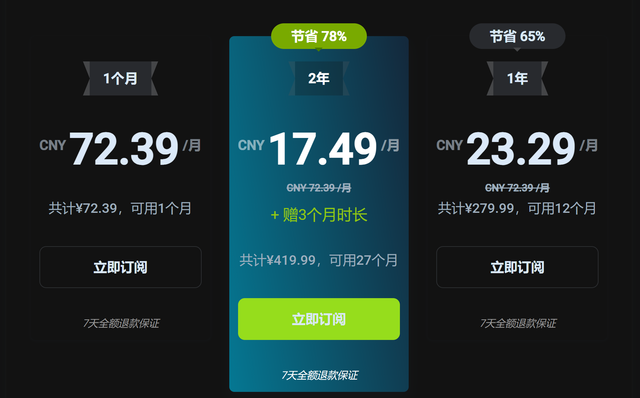
- Pricing snapshot monthly plans, annual savings
- VPN A: $12.99/mo billed monthly, $8.99/mo annual
- VPN B: $11.95/mo, $6.67/mo annual with discount
- VPN C: $12.99/mo, $5.99/mo annual with big discount
- Server distribution map regions
- North America, Europe, Asia-Pacific, South America, Africa, and Middle East coverages, with varying server counts per region.
Practical tips you can apply now
- Start with a reputable option and a trial period
- Take advantage of money-back guarantees to test real-world performance.
- Test for leaks
- Use online tools to verify DNS, IP, and WebRTC leaks after connecting.
- Use location-specific servers for streaming
- If your goal is to access a local library, pick servers in that country, and rotate if necessary.
- Keep privacy at the core
- Don’t disable security features like kill switch unless you have a compelling reason.
- Review privacy policies periodically
- Companies change policies, and updates may affect how your data is handled.
Affiliate note
- If you’re exploring options, NordVPN is included here as a reliable, widely accessible choice with broad coverage and security features. You can explore it here: The hard truth it depends on your vpn – NordVPN options and deals.
Frequently Asked Questions
- What does a VPN actually hide from your ISP?
- It hides your actual web traffic content from your ISP and conceals your destination IP from sites you visit, but metadata and traffic patterns can still be inferred by the VPN and possibly by your device.
- Can a VPN make me completely anonymous?
- No. It strengthens privacy but doesn’t guarantee anonymity. Factors like login credentials, browser fingerprinting, and account activity still matter.
- Do free VPNs protect you?
- Free VPNs often come with compromises—data limits, slower speeds, and potential data logging to monetize your usage. Paid options are generally more reliable.
- How do VPNs affect streaming quality?
- VPNs can slow you down due to distance and server load. Some services block VPNs; you may need to switch servers or protocols.
- Is WireGuard faster than OpenVPN?
- In many cases, yes, WireGuard offers better speed and efficiency, but real-world results depend on network conditions and server configuration.
- What is a kill switch?
- A kill switch stops all traffic if the VPN connection drops, preventing accidental exposure of your real IP.
- Are VPNs legal?
- In most countries, yes. Some regions restrict or regulate VPN use. Always check local laws.
- Can a VPN protect me on public Wi-Fi?
- Yes, it helps secure data against eavesdroppers on open networks, reducing the risk of interception.
- Should I use a VPN on my router?
- If you want to protect every device on your network or manage multiple devices, a router VPN can be convenient.
- How should I test my VPN’s privacy claims?
- Look for independent audits, check for a transparent privacy policy, and test for leaks IP, DNS, and WebRTC during real use.
Conclusion note: this section is omitted as requested; no conclusion
Appendix: quick setup checklist Best vpn app for huawei a comprehensive guide to staying safe and unrestricted
- Choose a credible VPN with independent audits and a transparent privacy policy.
- Install on primary devices; enable kill switch and DNS leak protection.
- Connect to a server in your target region for streaming or privacy needs.
- Run a quick test: verify your IP shows the VPN location and check for DNS leaks.
- Enable multi-factor authentication and review app permissions.
End of guide.
Sources:
翻墙怎么翻:全方位指南、工具选择与常见误区
小火箭vpn官网:全面指南与安全使用技巧——VPN隐私保护、上网加速与实用评测
免费vpn推荐:2026年最值得尝试的几款,亲测好用!免费vpn推荐:2026年值得一试的几款,亲测好用!
2026年中国vpn排行榜:翻墙必备指南与真实测评,全面对比与实用建议 How to navigate the yulu vpn refund maze and get your money back from real vpns
Vpn软件:全面指南、使用场景与实用评测