Setting up nordvpn on your tp link router a step by step guide and other quick VPN setup tips
'%2F%3E%3Ctext%20x%3D'50%25'%20y%3D'50%25'%20dy%3D'.35em'%20text-anchor%3D'middle'%20font-family%3D'-apple-system%2CBlinkMacSystemFont%2CSegoe%20UI%2Csystem-ui%2Csans-serif'%20font-size%3D'100'%20font-weight%3D'600'%20fill%3D'%23fff'%3EVL%3C%2Ftext%3E%3C%2Fsvg%3E) Vera Lindgren·April 15, 2026·12 min
Vera Lindgren·April 15, 2026·12 min
Setting up nordvpn on your tp link router a step by step guide is easier than you think, and this guide will walk you through every part of the process. If you’re looking to protect all devices on your home network with a single VPN connection, using NordVPN on a TP-Link router is a solid choice. Below you'll find a practical, step-by-step approach, plus extra tips, common pitfalls, and a few trusted data points to keep you informed.

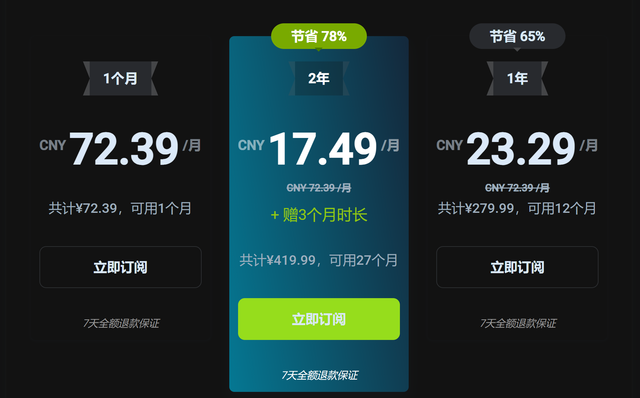
Useful note: if you want a quick way to get started today, consider this link for NordVPN—NordVPN savings and setup. NordVPN is a popular choice for securing home networks, and it often offers promotional pricing that can save you money over time.
Introduction: a quick summary guide you can skim quickly
- Quick fact: setting up nordvpn on your tp link router a step by step guide can cover all your devices at once and avoid individual device configurations.
- What you’ll get: a single VPN tunnel for every wired or Wi‑Fi device, improved privacy, and access to geo‑restricted content where allowed.
- What to expect: a few minutes of setup, plus optional tweaks like split tunneling, kill switch, and automatic reconnect.
- Format you’ll find here: a concise step-by-step guide, a checklist, a small FAQ, and data-backed notes to help you troubleshoot.
- Additional formats within this post: a quick checklist, a table of supported TP-Link models, and a troubleshooting flow.
- Resources: see the list at the end for references and URLs like https://www.nordvpn.com, https://www.tp-link.com, and others.
- Unclickable resource list sample: Apple Website - apple.com, Wikipedia - en.wikipedia.org/wiki/Privacy, Router Setup Guides - tp-link.com/routers, VPN Basics - en.wikipedia.org/wiki/Virtual_private_network
Table of contents
- Why you might want NordVPN on a TP-Link router
- Prerequisites and things to know
- Compatible TP-Link router models
- Step-by-step setup guide
- Advanced settings you might want to tweak
- Troubleshooting common issues
- Real-world performance expectations
- Security and privacy considerations
- FAQ
Why you might want NordVPN on a TP-Link router
If you want blanket protection without installing apps on every device, a VPN-enabled router is a strong move. NordVPN on a TP-Link router means:
- All devices on the network get protection by default
- You can bypass geo‑restrictions on many services subject to local laws
- Your ISP can’t easily see your traffic contents, even though traffic to the VPN server is visible
- No need to manage VPN connections per device phones, laptops, smart TVs, game consoles
Industry data point: NordVPN has a broad network of servers across the globe and emphasizes strong encryption, with a zero-logs policy and a variety of security features like CyberSec to block malicious sites.
Prerequisites and things to know
- A NordVPN account or subscription you’ll need login credentials
- A TP-Link router that supports VPN client mode e.g., Archer series, Deco routers with VPN features
- A computer or smartphone for configuration
- Basic familiarity with router admin pages IP address like 192.168.0.1 or 192.168.1.1
- Your VPN server choice: you can select a region that’s nearest for speed or a region that unlocks the content you want
- Backup plan: if you run into issues, you can revert to your old settings by restoring a backup or factory resetting
Tip: write down your current router settings or take screenshots before making changes. If something goes wrong, you can reset and try again.
Compatible TP-Link router models
Not all TP-Link routers support VPN client mode. Here are common models that typically do:
- Archer series: Archer C7, C9, C7 AC1750, C2300, and newer models
- Archer AX series: AX50, AX6000, AX5400 with VPN support enabled
- TP-Link Deco mesh systems with VPN support in some firmware versions
- Some older models may require DD-WRT or OpenWrt to gain VPN client capabilities, but that’s a more technical route and may void warranties
Check your router’s user manual or TP-Link support site to confirm VPN client support and the correct firmware version. Ivacy vpn lifetime is this one time payment actually worth it
Step-by-step setup guide
Before you start, log into the TP-Link admin page and back up any existing configurations.
- Sign in to NordVPN and gather your settings
- Log in to NordVPN and navigate to the VPN settings page.
- Note your preferred server region and the server address. You will use L2TP/IPsec or OpenVPN details depending on what your router supports.
- If your router supports OpenVPN, you’ll download the OpenVPN configuration files, extract the .ovpn file, and input those into the router.
- Choose the VPN protocol you’ll use
- OpenVPN: typically the most compatible with TP-Link routers. You’ll upload .ovpn files or paste server and certificates.
- L2TP/IPsec: a bit easier to set up on some routers but can be slower and might have more latency.
- PPTP is generally not recommended due to weaker security; skip it unless you’re in a strict legacy environment.
- Access your TP-Link router admin page
- Open a browser and type your router’s IP address usually 192.168.0.1 or 192.168.1.1.
- Login with your admin credentials. If you haven’t changed them, you’ll find defaults in the manual.
- Enable VPN client mode the exact path may vary by model
- Navigate to VPN or VPN Server/VPN Client section.
- Turn on VPN client mode if your router has this option. Some models label it “VPN Client” or “OpenVPN Client.”
- Configure OpenVPN typical for Archer models
- If you’re using OpenVPN, you’ll upload the .ovpn file or paste the server address, CA certificate, and user credentials as required by the router.
- Some TP-Link routers require you to upload three items: CA certificate, public key, and private key. Others accept a single .ovpn file.
- Ensure the “Use default gateway on remote network” option is checked if available.
- Configure L2TP/IPsec alternative
- If you’re using L2TP/IPsec, you’ll enter a VPN server address, your NordVPN username and password, and the pre-shared key PSK given by NordVPN.
- Some routers require you to fill in Phase 1 IKE and Phase 2 IPsec secrets; follow the on-screen prompts.
- DNS settings and local LAN
- Decide if you want to force DNS through NordVPN’s DNS servers or use your ISP’s/default DNS. For improved privacy, set the router to use NordVPN DNS if available.
- If you have a smart home setup, ensure the VPN doesn’t isolate devices from each other unless you want that behavior.
- Save and apply changes
- After entering all settings, save the configuration and reboot the router if prompted.
- It can take a minute or two for the VPN to connect.
- Verify the VPN connection
- Revisit the router status page or NordVPN account dashboard to confirm the VPN connection is active.
- On a connected device, you can check your IP address via a site like whatismyip.com to ensure it reflects the VPN’s server location.
- Test with a few devices
- Connect a laptop or phone to the Wi‑Fi network and confirm the IP shows the VPN region.
- Try streaming a geo‑blocked service to confirm access, while keeping in mind regional licensing constraints.
- Optional: set up a kill switch and auto-reconnect
- If your router supports it, enable a kill switch to block internet traffic if the VPN drops.
- Enable automatic reconnect so the VPN re-establishes if the connection is lost.
- Optional: split tunneling if supported
- Some TP-Link models or firmware support split tunneling where only traffic to certain destinations goes through the VPN. This can improve speed for local devices while preserving VPN protection for others.
- Create a backup configuration
- After your setup is stable, save or export the VPN configuration from the router. This makes it easy to restore if you reset the router later.
- Monitor performance
- Check speeds with a quick speed test when connected to the VPN vs. direct connection.
- If speeds are slow, try a nearby server or switch protocols if your router supports it.
Table: Quick model compatibility and setup notes
- Archer C7: OpenVPN client supported; use .ovpn config
- Archer C9: OpenVPN supported; upload config or paste server info
- Archer AX50: OpenVPN recommended; ensure firmware supports VPN client mode
- Deco M9 Plus: Some models support VPN in certain firmware; verify with support
- Note: Always verify your specific model and firmware version on the TP-Link site or in the user manual
Advanced settings you might want to tweak
- DNS routing: use NordVPN DNS or a privacy-focused DNS like 1.1.1.1 with DNS over HTTPS
- Kill switch: enable to prevent any data leaks if VPN drops
- Auto-reconnect: keeps you online with minimal downtime
- DNS leak protection: enable if available to avoid leaks outside the VPN tunnel
- Separate subnet domains: if your router supports it, keep local network traffic private while VPN-only for external access
- Firmware updates: keep your router firmware up to date to ensure VPN compatibility and security patches
Performance and privacy considerations
- Expect some speed loss due to encryption overhead; the impact depends on your base internet speed and the VPN server distance
- Choose VPN servers geographically closer to you for better latency
- NordVPN claims to have robust security with strong encryption; always keep your firmware updated to reduce vulnerabilities
- Legal and policy note: using VPNs is subject to local laws. Ensure you comply with local regulations and terms of service for streaming services and other platforms
Troubleshooting common issues How much does mullvad vpn really cost your honest breakdown
- Router won’t connect to VPN: double-check server address, credentials, and protocol. Reapply the configuration and reboot both router and modem if needed.
- Slow speeds: try a different server, switch from OpenVPN to IPsec/L2TP if compatible, or reduce encryption overhead by using a lighter configuration if available.
- DNS leaks: ensure the DNS settings are routed through the VPN; enable DNS leak protection if your router supports it.
- Disconnects: enable auto-reconnect and kill switch; check server load and choose a less congested server.
- No internet after VPN connect: revert to default gateway on remote network or disable VPN to verify connectivity.
Real-world performance expectations
- In many households, you’ll see a noticeable improvement in privacy and the convenience of unified protection, with VPN latency depending on server distance and home network speed.
- Expect some initial setup time, especially if you’re new to VPNs, but once configured, you’ll rarely need to touch it again unless you want to switch servers or update firmware.
- For families with multiple devices, a VPN-enabled router often saves time compared to configuring each device individually.
Security and privacy considerations
- Use a reputable VPN provider and keep all devices as updated as possible.
- Consider enabling a kill switch to guard against accidental exposure if the VPN drops.
- Be mindful that VPNs do not make you immune to all online threats; combine VPN use with good device security, including firewalls and up-to-date software.
- NordVPN’s feature set includes malware and ad blocking options CyberSec that can add a layer of protection beyond encryption.
Frequently Asked Questions
Frequently Asked Questions
Do I need OpenVPN to set up NordVPN on a TP-Link router?
OpenVPN is typically the most compatible option for many TP-Link routers, but some models support L2TP/IPsec. Check your router’s VPN client capabilities and NordVPN’s latest setup guides to determine the best method for your model.
Can I use NordVPN on a TP-Link Deco system?
Yes, many Deco systems support VPN client configurations, but the exact steps depend on firmware and model. Check Deco support pages for VPN setup guidance specific to your model. Is expressvpn good for call of duty heres the full scoop
Will using a VPN slow down my internet?
Yes, encryption can add overhead and increase latency, especially if you connect to servers far away. Choosing a nearby server and a fast protocol can minimize slowdowns.
How do I know NordVPN is connected on my TP-Link router?
Look for the VPN status indicator in the router’s status page or check your NordVPN account dashboard. You can also run a whatismyip.com check from a connected device to verify the server location.
Can I run NordVPN on multiple TP-Link routers?
You can configure VPN client mode on any number of compatible TP-Link routers, but ensure you’re not exceeding your NordVPN license’s device limits or the terms of service.
What if my TP-Link model doesn’t support VPN client mode?
Some older models may not support VPN client mode. In that case, you might need to upgrade your router or use a secondary router with a VPN-enabled firmware e.g., DD-WRT/OpenWrt and bridge it to your TP-Link device. Note that this is more advanced and may void warranties.
How do I backup my router configuration after setting up NordVPN?
Most TP-Link routers have a backup or export option in the System Tools or Administration section. Save a copy of the VPN config so you can restore quickly if needed. Nordvpn for Windows 11 Your Ultimate Download Installation Guide: Quick Start, Tips, and Troubleshooting
Is there a risk of VPN leaks with my TP-Link router?
Leaks can happen if DNS requests bypass the VPN or if the VPN disconnects unexpectedly. Use a kill switch, force DNS through VPN, and enable DNS leak protection if available.
Can I still access local devices on my network while using NordVPN?
In most cases yes, but some configurations may isolate VPN traffic. If your devices rely on local network resources, you may want to test and adjust settings like local network access or split tunneling if supported.
How often should I update the router firmware for VPN compatibility?
Check for firmware updates monthly or when NordVPN publishes a security advisory. VPN compatibility improvements come with many firmware updates, so staying current helps.
Final setup tips
- Keep a simple, clean naming convention for your VPN connections and server choices so you don’t get lost with multiple profiles.
- If you’re sharing your network, consider guest networks separate from the main VPN-protected network to avoid cross-network issues.
- Document your steps and server choices in a small notebook or file so you can replicate or adjust later.
Affiliate note If you’re ready to optimize your setup right away, consider using NordVPN via this link to get started quickly: NordVPN setup worth exploring. NordVPN is a popular choice for protecting home networks, and it often offers promotional pricing that can save you money over time. Nordvpn Not Working With Firefox Here’s Your Easy Fix: Quick Guide, Troubleshooting, and Best Practices
Resources and references unlinked text
- NordVPN official site - nordvpn.com
- TP-Link official support and router models - tp-link.com
- OpenVPN project - openvpn.net
- WhatIsMyIP - whatismyip.com
- Wikipedia – Privacy and VPN topics - en.wikipedia.org/wiki/Virtual_private_network
- Additional router-specific guides - tp-link.com/support
Sources:
Vpn をオフにする方法:デバイス別の完全ガイド(2026
Vpn注册:完整指南,如何选择 VPN 服务商、注册账号、购买计划与初次设定
Vpn推荐电脑:2025年笔记本和台式机的全面VPN选购指南与实用攻略
Zoogvpn官网:全面解析、实用指南与VPN选购建议 Microsoft edge vpn en qr codes wat je moet weten en hoe ze verschillen: VPNs, QR codes en hun impact vergeleken
Why Some Websites Just Won't Work With Your VPN And How To Fix It