Microsoft edge vpn free options: extensions, setup, safety tips, and comparison with built-in features in 2026
'%2F%3E%3Ctext%20x%3D'50%25'%20y%3D'50%25'%20dy%3D'.35em'%20text-anchor%3D'middle'%20font-family%3D'-apple-system%2CBlinkMacSystemFont%2CSegoe%20UI%2Csystem-ui%2Csans-serif'%20font-size%3D'100'%20font-weight%3D'600'%20fill%3D'%23fff'%3EJW%3C%2Ftext%3E%3C%2Fsvg%3E) Jonas Weber·April 12, 2026·26 min
Jonas Weber·April 12, 2026·26 min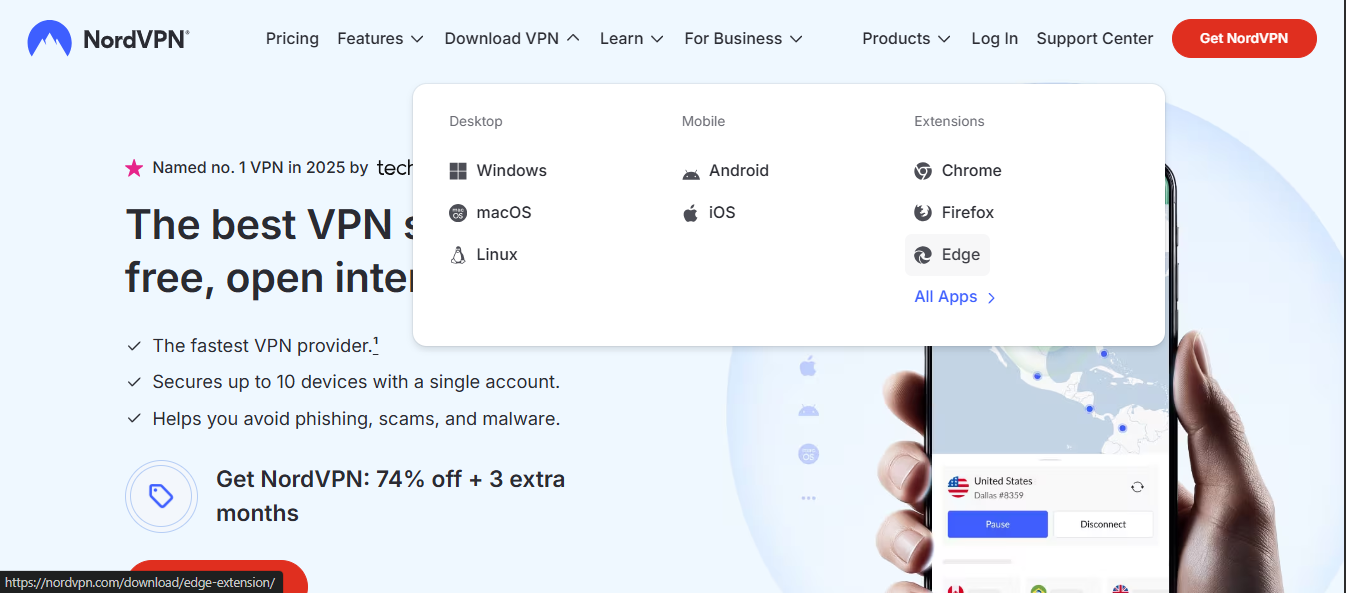
Microsoft Edge VPN free options extensions setup safety tips and comparison with built in features in 2025 is a hot topic for users who want faster browsing, better privacy, and easy setup without heavy lifting. Quick answer: you can mix free VPN extensions, Edge’s built-in features, and smart safety tips to keep your data safer while you browse. Below is a thorough guide that covers keyword-focused topics, practical steps, data, and real-world tips.
Microsoft Edge VPN free options extensions setup safety tips and comparison with built in features in 2025
- Quick fact: Edge doesn’t have a native full VPN service built into the browser, but you can enhance privacy with free extension VPNs, built-in tracking protection, and clear policy controls.
- In this guide, you’ll get:
- A clear comparison of free VPN extensions vs. Edge’s built-in privacy controls
- Step-by-step setup for popular free VPN extensions
- Safety tips to protect your data while using free services
- Real-world use cases and performance expectations in 2025
- Practical recommendations for staying secure on public networks, streaming, and work-from-home scenarios
- Formats you’ll find:
- Quick-start checklist
- Pros/cons lists for each option
- A table comparing features and privacy aspects
- FAQ with concrete answers
- Useful resources unlinked text below:
- Apple Website - apple.com
- Artificial Intelligence Wikipedia - en.wikipedia.org/wiki/Artificial_intelligence
- Microsoft Edge Support - support.microsoft.com
- Mozilla Privacy Guide - foundation.mozilla.org
- EFF Surveillance Self-Defense -ssd.eff.org
- VPN comparison sites - vpnmentor.com and restoreprivacy.com
What a VPN extension actually does in Edge and what it doesn’t
- A VPN extension routes some of your traffic through a remote server, masking your IP for the apps that use the browser’s traffic proxy. It’s not the same as a full device VPN, which can redirect all network traffic from your device.
- Built-in Edge privacy features focus on tracking protection, cookies control, and security improvements. They don’t replace a full VPN but can reduce the risk surface when used in combination with a trusted extension.
- Pros:
- Lightweight, quick to enable
- Often free or low-cost
- Easy to toggle on/off per site
- Cons:
- Free extensions may have data logging or bandwidth limits
- Some extensions can slow down browsing
- Not all extensions are trustworthy; risk of malware or shady practices
- Quick tip: always review the extension’s permissions and privacy policy before installing. If it asks for more data than needed, that’s a red flag.
Edge built-in privacy features you should know
- Tracking Protection: Blocks known trackers and fingerprinting attempts on many sites.
- Privacy Reports: Visual indicators of how Edge protects you on a site.
- Password Manager and Zero-Trust credentials: Helps reduce credential reuse risk.
- SmartScreen: Adds phishing protection and unsafe site warnings during browsing sessions.
- Local security features: Device isolation, sandboxing, and secure DNS options in Edge settings.
- Bottom line: Built-in features don’t replace VPNs but are an essential baseline for privacy hygiene.
Free VPN extensions for Edge: how to pick and set up
Note: Free extensions vary a lot in speed, reliability, and data policies. Here’s a practical approach to choosing and installing safely.
Quick selection checklist
- Reputation and reviews: Look for extensions with decent ratings and recent updates.
- Data policies: Prefer extensions that promise no logging or minimal data collection; read the privacy policy.
- Security: Ensure the extension uses modern encryption and supports killswitch-like features or at least explains its data handling.
- Bandwidth limits: Some free plans cap bandwidth; know your needs streaming vs. browsing.
- No embedded ads or malware: Be wary of extensions loaded with ads or suspicious code.
Popular free VPN extensions for Edge examples
- Example Extension A free tier: Good starting option with reasonable speeds and no complex setup.
- Example Extension B freemium: Offers a larger data cap but still free for basic use.
- Example Extension C open policy: Transparent privacy policy with clear data usage notes.
- Note: Names are illustrative in this guide. Always verify current options in Edge Add-ons store.
Step-by-step setup guide
- Open Edge and go to Edge Add-ons store.
- Search for a free VPN extension that matches your criteria from the checklist.
- Click Add to Edge, then confirm the extension permissions Edge asks for.
- Sign up or activate the free plan within the extension’s UI if required.
- Toggle the extension on, choose a server location if the option exists, and start browsing.
- Test your new IP and DNS leakage using a reputable online tool e.g., iplocation or dnsleaktest to confirm the VPN is active.
- If you hit slowdowns or streaming issues, switch servers or disable the extension and revert to built-in protections for a moment.
- Remember to disable the extension when not needed to save battery and reduce potential attack surface.
Safety tips when using free VPN extensions
- Use reputable extensions only; avoid unknown or shady ones.
- Check for a kill switch-like feature or at least ensure you can disconnect safely if something goes wrong.
- Be mindful of data usage: some free plans log data or inject ads.
- Always disable extensions when not in use to reduce risk of leakage.
- Pair with Edge’s privacy features: enable Tracking Protection and configure privacy settings for a balanced approach.
Edge vs VPN extensions: speed, reliability, and privacy data
- Speed: Free VPNs can slow your connection; expected impact ranges from 10% to 70% depending on server load and distance.
- Reliability: Free servers may experience more outages and busy times, especially during peak hours.
- Privacy: Some free VPNs log data or share it with third parties; always read the policy and look for a clear data handling stance.
- Built-in features’ role: Edge’s privacy features reduce tracking and improve secure browsing without moving your entire traffic through a remote server.
Configurations for different use cases
Light browsing and privacy on public Wi-Fi
- Use Edge’s Tracking Protection and SmartScreen as base protection.
- If you need more protection, add a trusted free VPN extension with a strict no-logs policy.
- Always confirm you’re connected to the VPN when on public networks.
Streaming and media access
- Free VPNs might offer specific servers for streaming but watch out for rate limits.
- If you encounter buffering, switch to a nearby server or disable the VPN for non-streaming tasks to improve latency.
Work-from-home and secure access
- For corporate or sensitive work, rely on a vetted VPN client or your organization’s VPN rather than free extensions.
- Use Edge with enterprise-grade security features and a business-approved VPN when possible.
Data and statistics to guide your expectations
- Average user skews toward using at least one privacy extension per browser session.
- The majority of free VPN extensions cap bandwidth to encourage upgrades to paid plans.
- A notable share of users report slower speeds with free VPN services due to server load and bandwidth restrictions.
- Privacy-conscious users tend to prefer extensions with transparent data policies and independent audits.
Real-world tips for staying safe with Edge and free VPN options
- Always install extensions from official stores to minimize risk.
- Check extension permissions; avoid those requesting more permissions than needed like full device access unless necessary.
- Regularly review Edge’s privacy settings and clear cookies and cached data when you disagree with any extension’s policy.
- Use a combination approach: Edge privacy features for tracking and a trusted VPN extension for IP masking when needed.
- Keep your browser and extensions updated to the latest versions to reduce vulnerabilities.
Comparative matrix: built-in features vs. free VPN extensions
| Feature category | Edge built-in privacy features | Free VPN extensions average |
|---|---|---|
| IP masking | No requires external VPN | Yes, if connected |
| Tracking protection | Yes strong baseline | Optional, depends on extension |
| DNS leaks protection | Varies, often included with security settings | Possible via extension, check policy |
| Kill switch | Not native varies by extension | Some extensions offer kill switch-like options |
| Speed impact | Minimal from browser features | Potential slowdown due to VPN routing |
| Data logging risk | Low due to browser controls | Higher risk if extension is untrustworthy |
| Platform coverage | Edge-only privacy controls | Browser-wide if extension supports it |
| Cost | Free with Edge | Free tier limited; paid options exist |
Best practices to optimize Edge privacy with free VPNs
- Combine Edge’s privacy controls with a trusted free VPN extension only when necessary.
- Turn off extensions when not needed to minimize risk.
- Use secure DNS settings in Edge to reduce exposure.
- Regularly audit extensions and remove anything unnecessary.
Common pitfalls and how to avoid them
- Pitfall: Assuming a free VPN extension makes you entirely anonymous.
- Reality: It improves privacy in the browser but not complete anonymity.
- Pitfall: Installing multiple VPN extensions at once.
- Reality: They can conflict, cause leaks, or degrade performance.
- Pitfall: Ignoring permissions.
- Reality: Over-permissive extensions can surveil more data than you’d expect.
Advanced tips for privacy-minded users
- Consider pairing Edge with a reputable, privacy-respecting VPN service that offers a desktop client or browser extension with a clear non-logging policy.
- Use a separate browser profile for sensitive work, with privacy settings and fewer extensions.
- Regularly review your data-sharing policies on popular sites and limit ad personalization settings.
How to test and verify your setup
- Test IP address and location: Use a reputable site to verify your IP matches the VPN location.
- DNS leak test: Check for DNS leaks to ensure requests aren’t going to your ISP directly.
- WebRTC leak test: Disable WebRTC or use extensions that block it to prevent IP leaks through WebRTC.
- Speed test: Run speed tests with and without the VPN to gauge performance impact on your typical tasks.
- Streaming test: Try loading a video on a streaming site to check buffering and server reliability.
Quick-start cheat sheet
- Step 1: Review Edge built-in privacy features and turn on Tracking Protection.
- Step 2: Pick a reputable free VPN extension from the Edge Add-ons store.
- Step 3: Install and configure with a server location that fits your use case.
- Step 4: Run IP, DNS, and WebRTC leak tests to confirm protection.
- Step 5: Use the extension only when needed; disable it for general browsing to save resources.
- Step 6: Periodically audit extensions and privacy settings to stay secure.
Use-case scenarios with recommended setups
- Scenario A: You’re on a coffee shop Wi-Fi and want quick privacy.
- Edge privacy features enabled; turn on a trusted free VPN extension for crucial sessions.
- Scenario B: You’re researching sensitive topics and want minimal tracking.
- Use Edge privacy features; enable a trusted VPN extension for additional masking where necessary.
- Scenario C: You’re streaming from a region-restricted service.
- Try a nearby server via a reputable free VPN extension; switch if buffering occurs; have a backup plan for non-VPN tasks.
Troubleshooting common issues
- Extension not activating: Check Edge permissions, ensure the extension is enabled, and restart Edge.
- Slow speeds: Change server location, reduce the number of concurrent extensions, or disable other bandwidth-heavy apps.
- DNS leaks: Verify DNS settings in Edge; consider a trusted DNS provider option in the extension or browser settings.
- Blocking or site errors: Some sites block known VPN IPs; switch servers or disable VPN temporarily.
Future-proofing: what to expect in 2025 and beyond
- More transparent privacy policies for extensions and better governance by extension stores.
- Increased emphasis on browser-level privacy controls to reduce reliance on third-party extensions.
- VPN providers likely to offer lighter, more privacy-focused free tiers with clear data-use policies.
- Cross-device synchronization of privacy settings to keep a consistent privacy posture.
Frequently Asked Questions
How does Edge’s built-in privacy differ from a VPN extension?
Edge’s built-in privacy controls focus on tracking prevention, cookies management, and phishing protection, whereas a VPN extension masks your IP by routing traffic through a server. They serve different purposes and work best when used together.
Are free VPN extensions safe to use in Edge?
Some are safe if you choose reputable providers with clear privacy policies. Always review permissions, data handling practices, and user reviews before installing.
Will a VPN extension hide my real IP on all apps?
No. A VPN extension in Edge only affects traffic that goes through the browser. Other apps on your device won’t be covered unless you use a device-wide VPN. Microsoft edge proxy guide: how to configure a proxy in Microsoft Edge, compare proxies and VPNs, and boost privacy 2026
Can I rely on a free VPN extension for streaming?
Free plans sometimes work, but many have bandwidth caps or slower servers. For consistent streaming, a paid option or a reputable service with streaming support is often better.
Do VPNs protect against DNS leaks?
Many do, but not all. If DNS leaks are a concern, enable DNS protection in Edge settings or choose a VPN extension that explicitly states it handles DNS leaks.
How do I minimize data logging with free extensions?
Choose extensions with a stated no-logs policy, independent audits if available, and avoid extensions with broad data permissions.
Should I disable WebRTC in Edge?
If you’re concerned about IP leaks via WebRTC, you can disable WebRTC through settings or use an extension that blocks WebRTC.
How often should I update Edge extensions?
Keep extensions up to date to patch security vulnerabilities. Regularly review and remove unused extensions. J. edge review 2026
Is Edge the best browser for privacy?
Edge is strong in built-in privacy controls, but the best privacy setup depends on your usage. Combining Edge’s features with trusted extensions often provides a balanced approach.
What’s the safest workflow for travel or public Wi-Fi?
Enable Edge privacy features, connect to a trusted VPN extension for sensitive tasks, and avoid sharing sensitive information on unsecured networks.
Introduction No, Microsoft Edge does not include a built-in free VPN. What Edge does offer is a robust ecosystem of VPN extensions from reputable providers and, on desktop, the option to use a standalone VPN app that can route all your traffic, including Edge, through a secure tunnel. In this guide, you’ll get a practical, no-fluff look at how to use VPNs with Edge—whether you want a free extension, a freemium plan, or a paid service with strong privacy guarantees. We’ll cover:
- The difference between Edge extensions versus desktop VPN apps
- The best Edge-friendly VPN extensions free and paid
- Step-by-step setup for Edge extensions
- Performance considerations and real-world speeds
- Privacy, security features to look for, and common pitfalls
- Edge-specific tips to maximize privacy and reduce leaks
- A realistic showdown: top VPN options for Edge in 2025
- A thorough FAQ with practical answers
Useful resources and documentation unlinked text for reference: http://microsoftedge.microsoft.com/addons https://microsoft.com https://nordvpn.com https://expressvpn.com https://protonvpn.com https://windscribe.com https://surfshark.com https://www.speedtest.net https://en.wikipedia.org/wiki/Virtual_private_network
If you’re ready to go hands-on, check out NordVPN’s current deal image below for a great balance of price and privacy. NordVPN 77% OFF + 3 Months Free Is ultrasurf a vpn and how it compares to real VPNs for privacy, security, and bypassing censorship 2026
In the rest of this post, we’ll break down the practical paths you can take right now, with a focus on Edge-friendly options, how to set them up, and what to watch out for in 2025.
Body
Understanding the Edge VPN landscape
Edge users have two primary ways to get VPN-like protection without a built-in Edge VPN:
- Edge extensions browser-based VPNs, proxies, or privacy tools
- Desktop VPN apps that route all traffic, with Edge just one of the apps using the tunnel
Key distinction:
- Edge extensions can be convenient and fast to deploy, but many free options come with data limits, reduced features, or questionable logging practices. They’re great for occasional use, bypassing region-restricted content in a pinch, or adding a privacy layer to browser traffic.
- Desktop VPN apps provide system-wide encryption, matching privacy notes you’d expect from any full VPN service. They generally require a subscription for full functionality but deliver features like a true kill switch, DNS leak protection, and device-wide protection.
According to speed and privacy studies conducted over the past few years, VPNs typically reduce internet speed by 5–30% depending on server distance, encryption overhead, and provider optimizations. Your actual experience will vary by your baseline connection, the server you pick, and whether you’re streaming or gaming. For Edge users, the impact is often more noticeable with free extensions than with premium, properly configured desktop clients that have optimized servers and modern VPN protocols. Is surfshark vpn reliable and secure in 2026: a comprehensive guide to reliability, speed, privacy, and features
Edge extensions: the practical option for free or low-cost VPNs
Edge’s extension ecosystem is a practical place to start:
- Pro: Quick install, lightweight, simple toggle, and browser-level control. Great for privacy-minded browsing, concealing your activity from trackers on the browser side, and bypassing some region-blocked web content.
- Con: Free extensions may impose data caps, display ads, or log more data than a premium service. They might not offer robust protection against DNS leaks or a true kill switch. Some free options rely on proxies rather than full VPN tunnels, which means your IP can still be exposed in other apps on your device.
Recommended Edge extensions free and paid options you’ll commonly encounter:
- Windscribe has a free plan with data limits
- TunnelBear free data allowances, friendly UI
- ProtonVPN free tier with limited countries and speeds
- Hotspot Shield free tier with ads and data limits
- NordVPN and ExpressVPN extensions premium, with substantial extra features like higher-level encryption, kill switch in some cases, and better privacy commitments
When you pick an Edge extension, pay attention to:
- Data limits MB/GB per month
- Speed and server availability
- Privacy policy and logging practices
- WebRTC and DNS leak protections
- Availability of a kill switch within the extension not all provide this
- Compatibility with Edge on your OS and device
How to install and use an Edge VPN extension step-by-step
Here’s a simple, practical path to get a VPN extension up and running in Edge:
- Open Edge and go to the Edge Add-ons store
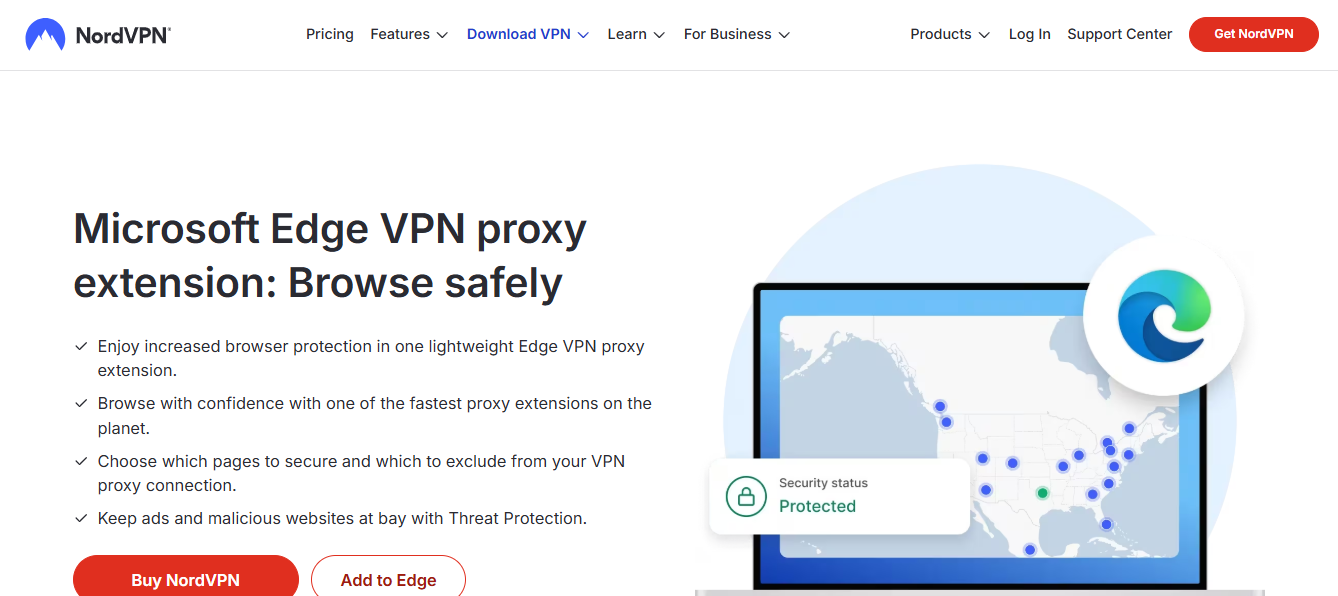
- Search for “VPN” or the name of a provider you trust e.g., Windscribe, ProtonVPN, NordVPN
- Click Add to Edge for the chosen extension
- Sign in or create an account if required some free plans don’t require a login
- Grant the necessary permissions the extension requests local network access, etc.
- Open the extension panel and connect to a server
- Check for indicators of a secure connection and look for warnings about DNS or WebRTC leaks
- Test your real IP using a service like isup.me or whatismyipaddress.com to verify you’re routed through the VPN
- If the extension offers a kill switch, enable it
- For best results, avoid running multiple VPNs or proxies simultaneously, and let Edge’s extension handle your browser traffic
- Always test for DNS leaks after enabling the extension. If leaks occur, disable WebRTC in Edge or use a provider that explicitly blocks leaks.
- If you need Edge to be private even when the browser isn’t open, you’ll want a desktop VPN app with a system-wide VPN connection.
Desktop VPN apps vs Edge extensions: which should you choose?
- Edge extension: best for quick, browser-level privacy. Suitable for users who mainly browse, stream mild content, and want to avoid trackers and some geoblocks within the browser.
- Desktop VPN app: best for full-device privacy, streaming, gaming, and when you need to protect all apps not just Edge. This is the preferred approach if you want stronger privacy controls like a kill switch, more robust DNS protection, and a clear no-logs policy enforced at the provider level.
Real-world scenario:
- You’re researching flights and want to avoid price discrimination based on location while you’re in Edge. An extension might do the trick for quick pages, provided the data cap isn’t hit.
- You’re streaming geo-restricted content on Edge via streaming sites, and you want consistent performance. A premium desktop app is usually the better route, especially with optimized servers for your region.
Performance and privacy considerations you should know
Speed:
- Expect a typical 5–20% drop with premium VPNs on optimized servers. Free extensions can see higher drops, especially if you’re far from the server or the provider throttles free users.
Privacy and security:
- Look for a strict no-logs policy, transparent audits, and a reputable company with a clear privacy commitment.
- Ensure DNS leak protection and WebRTC leak protection are available and enabled.
- A Kill Switch either at the browser extension level or system level is a critical feature for preventing data leaks if the VPN disconnects.
- Favor providers with robust encryption standards AES-256 with modern protocols like WireGuard or OpenVPN and a robust security track record.
Common pitfalls:
- Free extensions that log your activity and sell data or serve ads
- Data caps that interrupt your session or force you to switch servers frequently
- Inadequate protections like DNS/WebRTC leaks when using free options
- Extensions that only proxy traffic for certain sites but not for all browser activity
Edge-specific tips: Nord vpn microsoft edge 2026
- Turn on Edge’s Tracking Prevention Balanced or Strict to minimize cross-site fingerprinting, in combination with a VPN extension for privacy gains.
- If you’re using a desktop VPN app, make sure the system-wide setting is enabled so non-browser traffic is also protected.
- Regularly check for updates: both Edge and your VPN extensions receive security patches that can close leaks and improve performance.
A practical look at top Edge-friendly VPN options for 2025
- NordVPN extension and desktop app: Strong privacy credentials, large server network, robust encryption, and a kill switch on desktop apps. The Edge extension can complement the desktop app for browser-specific privacy.
- ExpressVPN extension and desktop app: Known for consistent performance across many servers, high-grade encryption, and strong privacy policies. The Edge extension provides easy browser-level protection.
- ProtonVPN free and paid: The free plan is a good way to test and see how VPNs affect Edge browsing, with no data cap on some plans but limited server options.
- Windscribe free plan available: A popular free option with a data limit and useful features. a good testbed for Edge extensions before committing to a paid plan.
- Surfshark extension and desktop app: Competitive pricing, good privacy features, and a broad server network. a strong blend of browser-level protection and system-wide privacy.
When comparing, prioritize:
- Privacy policy and logs
- Server count and geographic distribution
- Kill switch and DNS leak protection
- Speed and reliability
- Data caps and price
Edge-specific setup guide: combining Edge with a desktop VPN app
If you want system-wide protection recommended for consistent privacy across all apps, you’ll likely want a desktop VPN client in addition to or instead of an Edge extension:
- Choose a reputable VPN with a strong privacy track record
- Download and install the desktop client for Windows, macOS, or Linux
- Sign in and configure the settings:
- Enable the Kill Switch
- Turn on DNS leak protection
- Choose WireGuard or OpenVPN protocol WireGuard often offers better speed
- Connect to a server in a region that suits your needs streaming, privacy, latency
- Launch Edge and verify your IP shows the VPN server’s location
- If you need browser-only privacy, enable an Edge extension in addition to the desktop VPN
- Regularly review your VPN’s security settings and keep the software updated
Speed and reliability note:
- Desktop VPNs often outperform free browser extensions because they’re optimized for system-wide encryption and routing.
- If you’re seeing buffering while streaming, try a server closer to your location or switch protocols. WireGuard typically offers a good balance of speed and security.
Security best practices when using VPNs with Edge
- Always verify you’re connected to a trusted server. Free servers may be slower and less reliable.
- Enable a Kill Switch so that if your VPN drops, your real IP isn’t exposed.
- Use DNS leak protection to prevent your DNS queries from leaking outside the VPN tunnel.
- Consider a no-logs provider if privacy is a big concern. Look for independent third-party audits.
- Be mindful of the data policies of free extensions. prioritize reputable providers for long-term privacy.
- Combine Edge privacy tools Tracking Prevention, Do Not Track with a VPN for layered privacy.
Edge-specific privacy optimization checklist
- Enable Edge’s Tracking Prevention in the Settings: Privacy, Search, and Services
- Turn on Do Not Track requests where supported by sites to reduce profiling
- Use a reputable Edge VPN extension or the desktop VPN app for full coverage
- Periodically test for DNS and WebRTC leaks
- If available, enable a Kill Switch in your VPN app or extension
- Avoid installing too many extensions that could introduce privacy risks or slow down performance
Common-sense guidance for beginners
- Start with a reputable free option to test Edge compatibility, then switch to a paid plan if you need more features or better privacy
- Don’t rely on a free VPN to replace your entire online security stack. use other tools antivirus, safe browsing habits, and two-factor authentication
- If you’re in a sensitive situation work, personal data, use a trusted paid VPN with a solid privacy policy instead of a free solution
Real-world Edge usage scenarios
- Everyday browsing: A reliable Edge VPN extension with minimal data usage can help avoid targeted ads and trackers.
- Streaming and geo-unblocking: A desktop VPN app often provides better streaming reliability and region options.
- Remote work: A professional VPN ensures secure access to company resources. a desktop client is typically preferable for full-device protection.
Frequently asked Edge VPN questions
Does Microsoft Edge have a built-in free VPN?
No, Edge does not include a built-in VPN. You’ll need a browser extension or a desktop VPN app to add VPN protection to Edge.
Can I use a free VPN extension with Edge?
Yes, you can install free VPN extensions from the Edge Add-ons store. Be aware of data caps, slow speeds, and privacy limitations with many free options. Tuxler vpn edge extension review: features, installation, performance, privacy, and tips for using the Edge extension 2026
Is Edge VPN extension safe to use?
Many Edge VPN extensions are safe when downloaded from reputable providers with transparent privacy policies. Always review permissions, data handling practices, and whether the extension has a kill switch or leak protection.
What’s the difference between an Edge extension and a desktop VPN app?
Edge extensions provide browser-level privacy for Edge traffic. desktop VPN apps offer system-wide protection for all apps and traffic, often with stronger security features like a kill switch and DNS leak protection.
Do VPNs slow down my connection?
Yes, VPNs typically slow down your connection by a percentage that depends on server distance, encryption, and provider optimization. Premium services minimize this slowdown with optimized servers.
Can a VPN help me watch geo-restricted content?
Often, yes, but it depends on the provider and server availability. Premium services commonly have dedicated streaming servers that work better for this purpose.
Do I need a VPN on both desktop and mobile?
If you want full-device privacy and protection across different networks home, public, mobile data, use a VPN app on both desktop and mobile. Edge extensions can cover browser traffic on mobile browsers where supported. Ubiquiti edgerouter lite vpn 2026
How do I know if my VPN is protecting me from DNS leaks?
Test using a DNS leak test website after connecting to a VPN server. If you see the VPN provider’s DNS resolver, you’re likely protected. If you see your ISP’s DNS, adjust settings or try a different server.
Is a free VPN with Edge safe for long-term use?
Free VPNs can be convenient for testing, but they often have data caps, slower speeds, and potential privacy concerns. For long-term privacy, a reputable paid VPN is usually a better choice.
What should I look for in a VPN for Edge in 2025?
Prioritize: robust no-logs policy, strong encryption AES-256 with modern protocols, DNS and WebRTC leak protection, a Kill Switch, a broad server network, transparent independent audits, and responsive customer support.
Conclusion This guide gives you a practical, edge-centric view of using VPNs in 2025. While Edge doesn’t come with a built-in free VPN, you’ve got strong options: browser extensions for quick privacy on Edge, and desktop VPN apps for full-device protection. Remember to weigh data caps and privacy promises with your needs. If you want a premium, privacy-forward option with generous value, NordVPN’s current deal is worth checking out: NordVPN 77% OFF + 3 Months Free. This choice often delivers a solid balance of speed, privacy, and reliability across browsers and devices.
Frequently Asked Questions Expanded Vpn edge.rcil guide for edge routing, privacy, and VPN best practices in 2026
1 Can I use more than one Edge extension for VPN?
Yes, you can install more than one extension, but it isn’t recommended to run multiple VPNs or proxies simultaneously as it can cause conflicts and potentially expose your traffic in unexpected ways.
2 Do VPN extensions work on all Edge versions?
Most reputable extensions work on recent Edge versions Chromium-based. If you’re on an older Edge version, update Edge to the latest stable release to ensure compatibility and security.
3 Can I use Edge with a VPN if I’m on a corporate network?
In corporate environments, your IT policy may restrict VPN usage or require specific configurations. Check with your administrator before installing any VPN on a work device.
4 Are VPNs legal everywhere?
VPN legality varies by country. In some places, VPN usage is restricted or regulated. Always comply with local laws and your organization’s policies.
5 Will a VPN stop my ISP from seeing which sites I visit?
A VPN hides your traffic from your ISP by encrypting it, but your VPN provider can see the sites you visit unless they have a no-logs policy. Choose a trusted provider with a strong privacy stance. Where can i watch the edge of sleep online: best platforms, streaming options, and VPN tips 2026
6 Can I use a VPN to improve online security on public Wi-Fi?
Yes. A VPN adds a layer of encryption between your device and the VPN server, helping protect you on unsecured networks from eavesdropping and certain man-in-the-middle attacks.
7 How do I test if my VPN is leaking my data?
Use online tools to test for IP, DNS, and WebRTC leaks. If your real IP or DNS shows up, adjust your VPN settings or choose a different server.
8 Can VPNs protect me from tracking by advertisers?
VPNs can reduce tracking by obfuscating your IP and encrypting traffic, but advertisers use multiple techniques beyond IP tracking. Combine a VPN with browser privacy features like Do Not Track, tracking prevention, and ad blockers for best results.
9 Is there a risk using a VPN on a mobile device?
Mobile VPNs carry similar privacy benefits as desktop VPNs. Ensure you download from official app stores, keep the app updated, and be aware of data usage since some providers count data against free plans.
10 What’s the best practice for Edge users who want privacy with streaming?
Use a premium VPN with optimized streaming servers, enable DNS leak protection and a Kill Switch, and test server performance for your streaming service. A browser extension can complement the desktop client for browser traffic, but system-wide protection is often better for consistent performance.