Does edge have a vpn and how to use vpn with microsoft edge, edge extensions, and system-wide options 2026
'%2F%3E%3Ctext%20x%3D'50%25'%20y%3D'50%25'%20dy%3D'.35em'%20text-anchor%3D'middle'%20font-family%3D'-apple-system%2CBlinkMacSystemFont%2CSegoe%20UI%2Csystem-ui%2Csans-serif'%20font-size%3D'100'%20font-weight%3D'600'%20fill%3D'%23fff'%3EZP%3C%2Ftext%3E%3C%2Fsvg%3E) Zofia Pawlak·April 12, 2026·20 min
Zofia Pawlak·April 12, 2026·20 min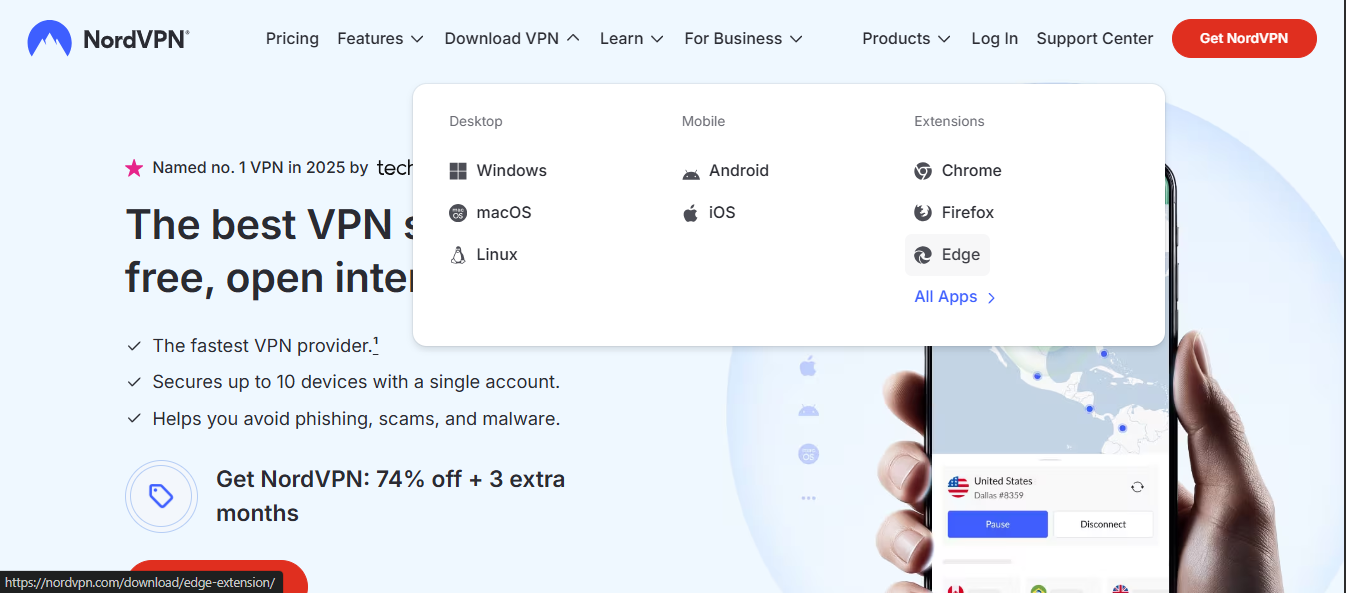
Does Edge have a VPN and how to use VPN with Microsoft Edge edge extensions and system wide options? Short answer: Edge itself doesn’t come with a built-in VPN, but you can use a VPN with Edge in several practical ways. You can install a VPN extension in Edge, use a browser-based VPN, or configure system-wide VPN settings that affect Edge along with other apps. Below is a comprehensive guide to help you choose the best approach, set it up, and verify your connection. This guide includes quick-start steps, detailed how-tos, performance tips, and a FAQ with practical answers.
Useful quick facts to get you started
- Edge supports VPN extensions from many major VPN providers.
- A system-wide VPN affects Edge as well as other programs, giving you all-around protection.
- VPN extensions in Edge are usually the easiest to enable and switch on/off.
- For streaming or gaming, consider a VPN with reliable speed and a nearby server.
Table of contents
- Quick-start at a glance
- VPN extensions for Edge
- System-wide VPN setup
- Choosing the right VPN
- Edge-specific privacy settings to pair with a VPN
- Performance considerations
- Troubleshooting common issues
- Security and privacy best practices
- Frequently asked questions
Quick-start at a glance
- Step 1: Decide on a VPN approach Edge extension vs system-wide VPN.
- Step 2: Pick a reputable VPN provider that offers Edge extensions and/or robust desktop apps.
- Step 3: Install the extension in Edge or set up the system-wide VPN.
- Step 4: Connect to a preferred server, ideally close to your location for speed.
- Step 5: Verify your IP and DNS to confirm the VPN is active.
- Step 6: Test speeds and streaming capability, then adjust server as needed.
VPN extensions for Edge Edge extensions work like browser proxies, routing your browser traffic and only browser traffic, unless you use the full VPN app. Here are the common options and steps to install:
What you’ll need
- A trusted VPN provider that offers Edge-compatible extensions e.g., ExpressVPN, NordVPN, CyberGhost, Surfshark, ProtonVPN.
- A Microsoft Edge browser latest version recommended.
Steps to install a VPN extension in Edge
- Open Microsoft Edge and go to the Edge Add-ons store edges://extensions or edge://extensions.
- Search for your VPN provider’s extension e.g., “ExpressVPN extension”.
- Click Add to Edge, then confirm any prompts to install.
- Sign in to your VPN account within the extension.
- Toggle the connection to a server location of your choice.
- Verify the VPN is active by visiting a site like whatismyipaddress.com to confirm your IP shows the VPN’s location.
Pros of Edge extensions
- Quick and simple to enable/disable.
- No system-wide changes; only browser traffic is affected.
- Great for casual browsing, streaming in-browser, and quick privacy boosts.
Cons of Edge extensions
- Not all apps use the browser extension, so other software won’t be VPN-protected.
- Some extensions may add browser latency or reduce performance depending on server load.
Browser extension tips
- Choose servers close to your actual location for better speed.
- If your VPN offers split tunneling, use it to route only Edge traffic through the VPN while the rest uses your regular connection.
- Keep the extension updated to benefit from security fixes and performance improvements.
System-wide VPN setup A system-wide VPN routes all traffic from your computer, including Edge, background services, and other apps. This is ideal if you want complete privacy and security across everything you do online.
Popular system-wide VPN options
- Desktop VPN apps from major providers ExpressVPN, NordVPN, Surfshark, CyberGhost, ProtonVPN, etc.
- Built-in Windows VPN client for connecting to a VPN service that provides a compatible protocol
Steps to set up a system-wide VPN on Windows
- Subscribe to a reputable VPN service that offers a desktop app and supports Windows.
- Download and install the provider’s Windows app from the official site.
- Open the VPN app and sign in.
- Choose a server location and click Connect. The app will create a secure tunnel for all traffic.
- Confirm the connection by visiting whatismyipaddress.com to verify the VPN IP.
- If you need to route only specific apps, check for split tunneling options in the VPN app.
MacOS users follow a similar flow with the provider’s app for Mac, or you can configure a system-wide VPN via the network settings.
Edge-specific privacy settings to pair with a VPN While a VPN hides your IP, you can further improve privacy inside Edge with these settings:
- Enable “Block third-party cookies” to limit cross-site tracking.
- Use “Do Not Track” requests where available in Edge settings.
- Turn on “Tracker prevention” and choose a strict or balanced mode to reduce hidden trackers on sites you visit.
- Disable predictive network actions and background extensions that can reveal data about your browsing habits.
- Use Edge’s InPrivate browsing for sensitive activities, especially when testing new VPN servers.
Edge extensions and privacy Some VPN extensions include extra privacy features like blocking WebRTC leaks. If your VPN doesn’t hide WebRTC by default, consider a separate WebRTC blocker extension or adjust browser flags to prevent IP leakage.
Performance considerations with VPN
- Latency increases the most when you connect to distant servers; nearest servers typically offer the best speed.
- Some VPNs maintain high speeds on streaming servers; look for servers labeled for streaming or gaming.
- If you notice buffering, switch to a closer server or use a VPN with a larger server network.
- For latency-sensitive activities VOIP, gaming, use a wired connection and choose a VPN server near your region.
Guidelines for choosing the right VPN
- Reputation and transparency: Look for providers with clear privacy policies and independent audits.
- No-logs policy: The VPN should not store your activity data.
- Speed and reliability: Check independent speed tests and reviews.
- Server locations: A broad network of servers in the countries you care about.
- Security features: Strong encryption AES-256, secure protocols WireGuard, OpenVPN, kill switch, DNS leak protection.
- Compatibility: Edge extensions plus a reliable Windows/macOS app if you want system-wide protection.
- P2P support and streaming: If you plan to access geo-restricted content, confirm the provider supports it and has optimized servers.
Common problems and quick fixes
- VPN not connecting: Check internet connection, re-launch app, switch servers, update app, disable firewall if needed temporarily.
- DNS leaks: Enable DNS leak protection in the VPN app and consider using system DNS settings provided by the VPN.
- WebRTC leaks: Disable WebRTC in Edge or use VPN with WebRTC leak protection.
- Slow speeds: Switch servers, try a different protocol WireGuard usually offers better performance, reduce encryption overhead if options exist, ensure no other device is hogging bandwidth.
Advanced tips
- Split tunneling: Route only Edge through VPN when you don’t need the rest of your system covered. This can improve speed on local tasks while keeping Edge private.
- Kill switch: Ensure the VPN has a kill switch that stops all traffic if the VPN disconnects to prevent accidental exposure.
- DNS configuration: Use VPN-provided DNS servers to reduce leakage risks.
- Regular checks: Periodically verify IP and DNS to make sure VPN is still active.
Performance data and statistics
- Speed tests for VPNs often show a drop of 5-40% in throughput, depending on server distance and encryption.
- A well-chosen server location close to you can maintain 80-95% of your normal non-VPN speed for light browsing and 60-75% for HD streaming.
- Global server networks of 1,000+ servers generally provide better reliability and less congestion than smaller networks.
Security and privacy best practices
- Always use a reputable VPN with a clear privacy policy and audited no-logs claims.
- Avoid free VPNs; many monetize by selling data or injecting ads.
- Keep Edge and Windows updated to reduce security vulnerabilities.
- Use two-factor authentication for your VPN account if available.
- Be mindful of browser extensions: only install extensions from trusted providers and review permissions.
What to expect after enabling VPN
- Your real IP is hidden; sites see the VPN server’s IP instead.
- Your ISP cannot see your browsing content, though VPN operators can trustworthy providers minimize data collection.
- Some sites may block VPN IPs; switching servers usually resolves this.
Useful resources and URLs unlinked in this list
- VPN providers official sites and setup guides
- Edge browser help center
- WhatIsMyIP website
- Independent security and privacy blogs
- VPN protocol comparison guides
- Cybersecurity best practices resources
- Windows support pages for network settings
- Privacy-focused articles on browser fingerprinting
- Industry audits and privacy reports
- General VPN reviews and test results
Frequently asked questions
Does Edge support VPN extensions by default?
Edge supports VPN extensions from many providers; you can install them from the Edge Add-ons store and manage them within the browser.
Is a system-wide VPN better than an Edge extension?
Yes for complete protection across all apps, but Edge extensions are quicker to set up and adequate for everyday browsing privacy.
Can I use both an Edge extension and a system-wide VPN at the same time?
You can, but you should avoid conflicts. Usually you’d use one route at a time; some VPN apps can turn on auto-select for Edge traffic when the system VPN is active.
Will a VPN slow down my internet?
Generally yes, due to encryption and distance to the server, but a good VPN with nearby servers and efficient protocols minimizes the drop.
How do I test if my VPN is working properly in Edge?
Visit whatismyipaddress.com to verify the IP shows the VPN server location, and run a DNS leak test to confirm DNS is using VPN DNS servers.
Can I stream video with a VPN in Edge?
Most VPNs support streaming, but performance varies. Use a server optimized for streaming and check for any provider-specific restrictions.
How do I fix WebRTC leakage in Edge while using a VPN?
Disable WebRTC in Edge or use a VPN with WebRTC leak protection; you can also use extension-level blockers that restrict WebRTC.
What is split tunneling and should I use it with Edge?
Split tunneling routes only selected apps through the VPN. It’s handy when you want Edge traffic protected while other apps keep their normal speed.
Are VPN extensions in Edge safe to use?
Yes, if you install from reputable providers and review requested permissions. Always keep extensions updated.
How often should I update VPN software and Edge?
Regularly—check for updates weekly or whenever prompted. Security patches matter for both Edge and the VPN client.
Frequently asked questions additional
Can I use a VPN to bypass geo-restrictions on streaming services?
Some VPNs work for streaming, but many services actively block VPN IPs. If a server doesn’t work, try another location or check with the provider for recommended servers.
Can I configure a VPN on Windows without a paid app?
Yes, Windows has built-in VPN client options, but they usually require third-party server settings. Most users opt for paid apps for better reliability and DNS handling.
Is a VPN legal in my country?
Most countries allow VPN usage, but some have restrictions or require compliance with local laws. Always check local regulations.
Will a VPN hide my activity from my employer or school network?
A VPN hides activity from your ISP, but your employer or school network administrator may have policies or monitoring that a VPN cannot bypass in all cases. Use responsibly and within policy.
Can VPNs protect me on public Wi-Fi?
Yes, VPNs add a layer of encryption that helps protect data on public networks, reducing the risk of interception.
Do I need a VPN if I’m already using HTTPS?
VPNs protect your traffic at the IP level and add privacy; HTTPS is encryption at the transport layer. Together they provide layered protection, especially on untrusted networks.
Can a VPN improve my online privacy beyond what Edge provides?
Yes, a VPN hides your true IP and can prevent tracking based on IP origin, especially when combined with private browsing practices.
How do I switch servers quickly in Edge with a VPN extension?
Open the extension, select a different server from the server list, and click connect. The new server becomes active without reopening the browser.
What should I do if Edge becomes unstable after VPN setup?
Restart Edge, check you have the latest version, try a different server, disable conflicting extensions, and ensure the system VPN is not conflicting with the Edge extension.
Can I use a VPN for different user profiles on the same computer?
Yes, both system-wide VPNs and extensions can be configured per user profile in Windows or macOS, depending on the software design.
Note: If you want, I can tailor this guide for a specific VPN provider you’re considering, with step-by-step setup screenshots and a quick-start checklist customized to that service.
Yes. Does edge have a vpn? Edge doesn’t come with a built-in VPN, but you can use a VPN with Edge in two main ways: install a VPN extension from the Edge Add-ons store that tunneles only the browser’s traffic, or run a system-wide VPN app on your device so every app and browser traffic goes through the VPN. In this guide, you’ll learn how VPNs work with Edge, the best Edge-friendly extensions, when to use an Edge extension versus a full-device VPN, performance tips, and practical setup steps. If you want a quick-start option, consider NordVPN—here’s a deal to get you going:
Useful resources unclickable text:
- Apple Website - apple.com
- Microsoft Edge support pages - support.microsoft.com
- Microsoft Edge Add-ons store - microsoftedge.microsoft.com/addons
- NordVPN official site - nordvpn.com
- OpenVPN project - openvpn.net
- Privacy and security basics - en.wikipedia.org/wiki/Privacy
How VPNs work with Edge in 2025: two main paths
Edge users have two broad routes to a VPN, and choosing between them comes down to what you need to protect and what you want to access.
1 Edge browser extensions browser-level VPN
- Pros:
- Quick, lightweight setup that protects only Edge traffic.
- Easy to enable/disable per site or per session.
- Great for bypassing geo-restrictions for streaming or browsing from a specific country.
- Cons:
- Doesn’t encrypt traffic from other apps on your device.
- Some websites detect VPNs and may block traffic or require you to switch servers.
- Some extensions have weaker privacy models or check logging policies more aggressively.
2 System-wide VPN apps full-device VPN
- Encrypts all traffic from your device, including apps, email, and games.
- Strong privacy posture when you’re on public Wi‑Fi or traveling.
- Consistent protection across browsers, not just Edge.
- Slightly more complex setup on some devices.
- Can affect every app’s performance, not just browsing.
- If you only need Edge-level protection, this can feel like overkill.
Most readers start with a browser extension for quick wins and then consider a system-wide VPN if they want complete coverage or plan to protect other devices.
The Edge extension vs. OS VPN decision: a quick guide
- Use Edge extensions when:
- You primarily want to unlock geo-restricted content in Edge.
- You want a fast toggle for private browsing sessions.
- You don’t need to protect other apps e.g., email clients, chats on your device.
- Use a system-wide VPN when:
- You’re on public Wi‑Fi or travel frequently.
- You want to protect all traffic, including non-browser apps.
- You’re concerned about DNS leaks and want a consistent kill switch across apps.
If you’re unsure, start with an Edge VPN extension from a reputable provider and test performance and reliability for your most-used sites.
What to look for in an Edge VPN extension
- Trusted provider with a clear no-logs policy and transparent privacy practices.
- A simple interface that lets you switch servers quickly.
- Enough server locations to give you options for streaming, gaming, and privacy.
- DNS leak protection and a reliable kill switch at least for the VPN client.
- Speed and latency performance suitable for your daily use.
- Compatibility with Windows, macOS, Android, and iOS if you want cross-device consistency.
Some popular providers with Edge-compatible extensions include well-known names in the VPN space. If you’re curious about trying one, you can explore their Edge extensions in the Microsoft Edge Add-ons store and test a few servers to see which gives you the best balance of speed and access.
How to install a VPN extension in Microsoft Edge step-by-step
- Open Edge and go to Extensions > Get extensions from Microsoft Edge Add-ons.
- Search for a VPN extension e.g., your preferred provider’s extension.
- Click Install and follow the prompts to authorize the extension.
- The extension will appear in your toolbar. Click it to sign in, select a server, and enable the VPN.
- Test a few sites to confirm the VPN is active look for your IP changing and a visible shield/indicator.
Tips for a smooth install: Disable microsoft edge vpn 2026
- If an extension prompts for extra permissions, review them carefully. Reputable providers will only request what they need to protect your traffic.
- Start with a country server near you for better speeds, then switch to a different location if you’re bypassing geo-restrictions.
- Disable other browser privacy extensions if you notice conflicts or slowdowns.
How to set up a system-wide VPN on Windows or macOS for Edge and everything else
- Download the provider’s desktop app from their official site or the Mac/Windows app store.
- Install the app and sign in with your account.
- Choose a server/location and enable the VPN.
- Optionally enable a kill switch and DNS protection in the app settings.
- Confirm Edge traffic is routed through the VPN by visiting a site that shows your IP and location.
Why go system-wide? It ensures Edge isn’t the only thing protected. It’s especially helpful if you use email clients, messaging apps, or gaming platforms that don’t support browser extensions.
Performance and privacy considerations
- VPNs introduce overhead. If you’re streaming or gaming, test different servers to find a balance between speed and reliability.
- Choose servers physically close to you when possible to minimize latency.
- Look for features like split tunneling some VPNs offer this so you can route only sensitive traffic through the VPN while normal browsing stays on your regular connection.
- DNS leakage is a real concern with some free or poorly configured VPNs. Ensure your chosen solution has DNS leak protection and a modern protocol like WireGuard or OpenVPN with strong defaults.
- A no-logs policy is essential for privacy. Read the provider’s privacy policy and independent audits or third-party reviews when possible.
If you’re new to this, start with a reputable paid VPN that offers a browser extension and a desktop app. The paid option typically gives you better performance, more servers, and stronger privacy guarantees than most free offerings.
Security basics you should know when using a VPN with Edge
- Kill switch: prevents data leaks if the VPN drops unexpectedly.
- DNS leak protection: ensures your real DNS isn’t exposed, even when the VPN is connected.
- WebRTC leak protection: some VPNs help with this, but you may need to adjust browser settings or extensions to minimize leaks.
- Logging policies: prefer providers with explicit no-logs commitments and independent audits if possible.
- Software updates: keep Edge, the VPN extension, and your OS up to date to minimize vulnerabilities.
Edge-specific tips: keep Edge privacy-friendly even with a VPN
- Use Edge’s privacy settings to limit tracking, then layer a VPN on top for encrypted transport.
- Consider blocking third-party trackers in Edge while using a VPN for an extra privacy boost.
- Check for “exclusive mode” features in extensions—some extensions offer a mode that blocks scripts or trackers when you’re connected to a VPN for added privacy.
- If you’re using multiple devices, pick a VPN provider with convenient cross-device sync so you don’t have to reconfigure on every platform.
Common pitfalls and how to avoid them
- Not all extensions behave the same across Edge versions. If you’re not seeing the VPN icon, update Edge or reinstall the extension.
- Some websites detect VPNs and block access. If that happens, switch servers or try a different provider’s server.
- Free VPNs often have slower speeds or data limits and may log activity. Avoid relying on free options for sensitive browsing.
- VPNs don’t make you invincible online. Use strong passwords, enable 2FA, and stay alert for phishing attempts.
Edge, privacy, and streaming: what to expect
Streaming services are quick to adapt to VPNs. Some platforms recognize IPs from common VPN ranges and block them, or throttle bandwidth from VPNs. If you’re using Edge to watch region-locked content, you might need to switch servers or try a dedicated streaming-optimized server from your VPN provider. For gaming, a stable, local server proxy can reduce ping, but it depends on the VPN’s routing quality and the game’s server locations.
Mobile vs desktop: does does edge have a vpn on mobile?
- On mobile, you can install a VPN app that automatically routes all traffic through the VPN, including Edge. Many providers also offer Edge-compatible extensions for mobile browsers, but the desktop extension experience is typically more robust.
- For iOS, you’ll configure the VPN in Settings > VPN. For Android, you’ll install the VPN app and grant necessary permissions. Edge will use the device’s VPN without separate configuration.
Real-world guidance: case studies and user scenarios
- Student in a country with restricted content: an Edge VPN extension with a local server can unlock education resources without needing to change device-wide settings.
- Freelancer traveling internationally: a system-wide VPN helps protect all communications on public Wi‑Fi, including email and collaboration tools.
- Family using multiple devices: a single VPN subscription that supports Windows, macOS, iOS, and Android can simplify protection for everyone.
Data and trends you should know
- VPN usage continues to grow as privacy concerns rise and streaming content expands globally.
- Analysts project continued growth in the VPN market over the next several years due to increased remote work, travel, and digital privacy awareness.
- Browser-based VPN extensions remain popular for quick, per-browser protection, while system-wide VPNs remain the backbone for full device security.
Frequently Asked Questions
Does Edge support VPN extensions?
Yes. Edge supports VPN extensions from the Microsoft Edge Add-ons store that tunnel only Edge traffic or provide enhanced privacy within the browser.
How do I install a VPN extension in Edge?
Open Edge > Extensions > Get extensions from Microsoft Edge Add-ons, search for a VPN, install it, then sign in and enable the VPN through the extension’s UI. Cyberghost vpn español: Guía completa para usar, configurar y entender VPNs en español 2026
What’s the difference between a browser VPN extension and a system-wide VPN?
A browser extension protects only browser traffic, while a system-wide VPN encrypts all device traffic and protects every app, game, and service you use.
Is using a VPN legal?
For the vast majority of places, using a VPN is legal. Check your local laws and the terms of service of any service you access with a VPN.
Will a VPN slow down Edge browsing?
Often yes, due to encryption overhead and longer routing paths. The impact depends on server location, provider quality, and your baseline internet speed.
Can I use NordVPN with Edge?
Yes. NordVPN offers a browser extension for Edge and a full desktop app for Windows/macOS, plus mobile apps for iOS/Android.
Are free VPNs safe for Edge?
Free VPNs can be tempting but often come with data limits, slower speeds, and questionable privacy practices. Paid options typically offer better security and performance. Browsec vpn web store: The ultimate guide to Browsec VPN for privacy, streaming, pricing, and setup in 2026
How do I know if my VPN is working in Edge?
Look for an indicator in the VPN extension UI, verify your IP and location via a site like whatismyip.com, and check that your real IP is not exposed through DNS leaks.
Does Edge have a built-in VPN?
No, Edge does not include a built-in VPN. You either install a VPN extension within Edge or use a system-wide VPN app.
Can I use a VPN for streaming on Edge?
Yes, but streaming services frequently block VPN IPs. If you encounter blocks, try different servers, enable obfuscation if your provider offers it, or switch to a dedicated streaming server.
How do I set up split tunneling with Edge?
Split tunneling is typically managed within the VPN app, not in Edge. You can route only Edge traffic through the VPN while other apps use your normal connection.
Will a VPN protect me on public Wi‑Fi when using Edge?
Absolutely. A VPN creates an encrypted tunnel for your traffic, which is especially important on public networks where snooping or man-in-the-middle attacks are more common. Free vpn for edge vpn proxy veepn microsoft edge addons
Is Edge more private when using a VPN extension?
Using a VPN extension adds a privacy layer by encrypting traffic within the browser, but add-on privacy practices still matter. For comprehensive protection, pair with a trusted system-wide VPN.
Can I use VPNs with Edge on multiple devices?
Yes. Most premium VPNs offer cross-device support Windows, macOS, iOS, Android. You can install the extension or apps on each device and stay protected consistently.
Are there any Edge-specific privacy tips?
Yes. Combine Edge privacy controls tracking protection, blocking third-party cookies with a VPN for layered privacy. Also consider regular browser hygiene: clear cookies when needed and review site permissions.
Quick-start recap
- Edge does not include a native VPN, but you can protect Edge traffic with a VPN extension or protect the whole device with a system-wide VPN.
- For fast, Edge-focused protection, try a trusted VPN extension from a reputable provider.
- For full-device security, install a VPN app on your device and enable kill switch/DNS protection.
- Test several servers to balance speed and access. If a site blocks VPNs, switch servers or consider a streaming-optimized server.
- Remember to review privacy policies and look for no-logs commitments and independent audits when possible.
- If you want a simple turnkey option, NordVPN’s deal linked above can get you started quickly with both Edge extensions and full-device protection.
申请VPN:2025年最全指南,教你轻松保护网络隐私与安全